
The story of the John Crow is as old as Jamaica itself, a tale that soars across the island’s skies, circles the mountain peaks, and hovers over both fear and fascination. To some, it’s a harbinger of death. To others, a cleaner of the land. Either way, there’s no denying that the John Crow has earned its place as one of the most recognized and misunderstood birds in Jamaican history.
Origins and Name
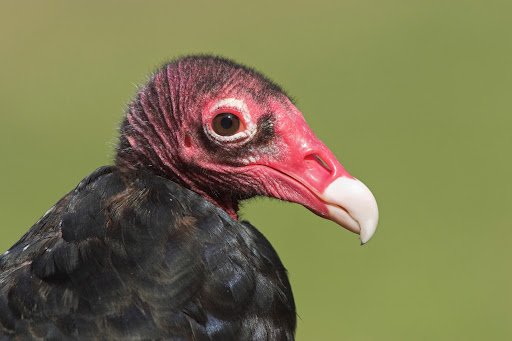
When the English first arrived in Jamaica, they noticed large black birds gliding lazily over the hills, bald-headed and ominous. Mistaking them for turkeys, they hunted and cooked a few, only to discover that the meat was foul-tasting and lean. As Sir Hans Sloane recorded, “the offensiveness of their lean bodies soon deceived them.” From then, the name John Crow stuck, possibly derived from the English “carrion crow,” or from a mocking combination of the common man’s name “John” and the harsh reputation of the bird.
The earliest written record dates to 1826, but by then, Jamaicans had already woven the term into their language. To call someone a “dutty John Crow” became one of the deepest insults in the island’s vocabulary, reserved for those considered shameless, conniving, or low in moral standing. In local slang, “John Crow” wasn’t just a bird; it was a verdict on one’s character.
The Bird Behind the Name
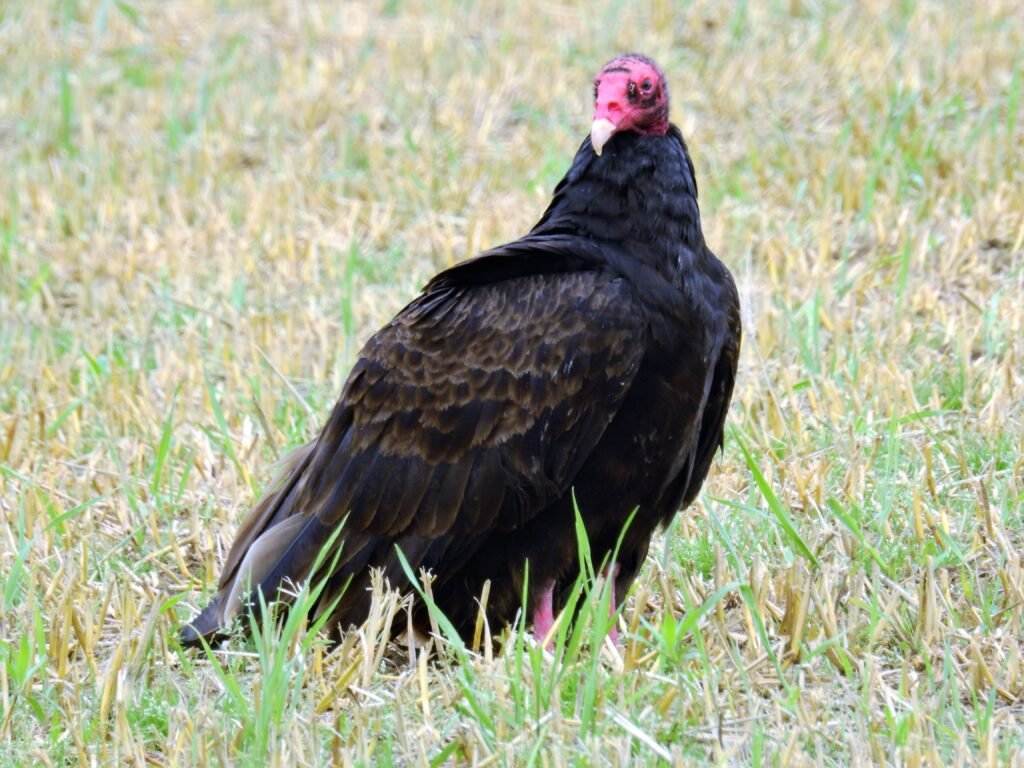
Biologically, the “John Crow” refers to the turkey vulture, a species native to Jamaica and the wider Caribbean. Yet within the same ecosystem exists the Jamaican Crow (Corvus jamaicensis), a smaller, sooty-grey corvid with a jabbering, bubbling call. English naturalists like John Ray and Hans Sloane documented it in the early 1700s, describing its “gabbling” voice and red-brown eyes.
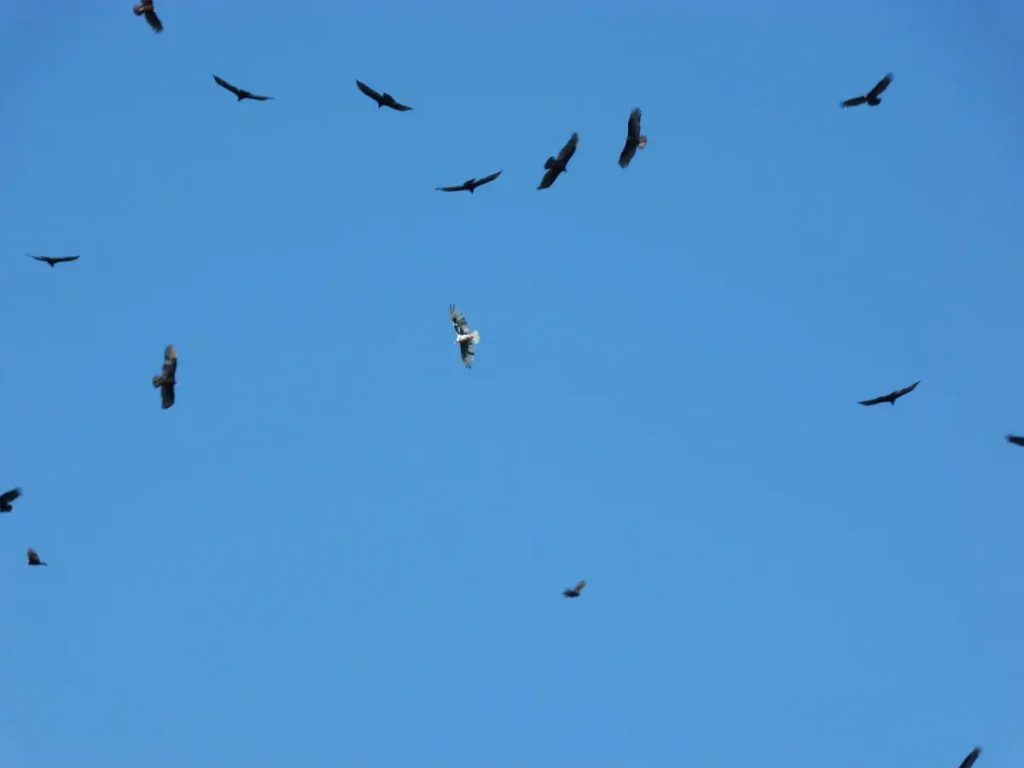
This Jamaican crow is unique to the island, often found in hill forests, gardens, and mountain ridges. But in local talk, the name “John Crow” almost always points to the vulture, bald, black, and circling the skies in hypnotic patience. Together, these birds form a kind of symbolic pair: one, the clever talker; the other, the silent watcher of the dead.
Cultural Symbolism and Fear
For generations, Jamaicans grew up hearing that the appearance of a John Crow was an omen, a messenger of death. If it perched on a rooftop or circled too long over a yard, elders would whisper, “Somebody soon dead.”
This belief wasn’t born of superstition alone. In rural communities, vultures really did gather when death was near, whether from a cow fallen in a field or a person who had passed unnoticed. Their keen sense of smell could detect decay miles away, long before human noses caught the scent. Thus, they became unwilling heralds of mortality.
Even so, they found their way into folk songs and theatre. Louise Bennett’s classic piece “Peel Head John Crow” captured the humor and rhythm of rural life, while another folk song went:
“John Crow seh him cyaan wuk pon Sunday,
Cyaan wuk, him cyaan wuk pon Sunday…”
In song and story, the John Crow was lazy, ugly, even wicked, but always memorable. In pantomimes at the Ward Theatre, he strutted and preened, half villain, half comedian, proving that no matter how despised, he could not be ignored.

The Mountains That Bear Its Name
Jamaica’s eastern backbone, the Blue and John Crow Mountains, keeps the bird’s memory etched into the land. Stretching across the parishes of St. Thomas, Portland, St. Andrew, and St. Mary, these mountains sheltered the Windward Maroons, escaped Africans who fought the British for freedom.
While the Blue Mountains became known for coffee, the John Crow range remained wild, steep, and untamed, a natural fortress. The Maroons knew every ridge and gully, using the terrain to outwit British troops. Today, the area stands as a UNESCO World Heritage Site, celebrated not just for its biodiversity but for its role in Jamaica’s story of resistance and resilience.
Ironically, what was once a name of insult, “John Crow,” now graces one of the world’s most honored landscapes.
From Death to Duty: The Ecological Role
Despite their bad reputation, John Crows are nature’s sanitation crew. They feast on carrion, preventing the spread of disease. Without them, carcasses would rot in the tropical heat, breeding bacteria and attracting pests.
Modern ecologists call them “environmental custodians.” The Jamaican government protects them by law; harming or killing one can lead to a fine. To the average Jamaican, however, old perceptions die hard. It’s rare to hear someone praise a John Crow unless it’s in jest.
John Crows and Hurricane Melissa
After Hurricane Melissa ripped through Jamaica, leaving destruction and tragedy in her wake, a new wave of John Crow sightings swept the island. Fallen livestock, broken trees, and debris created a feast for the birds. Officials and locals alike noted how essential they were in cleaning up the remains of animals caught in the storm’s fury.
But Jamaicans, being Jamaicans, couldn’t resist adding humor to hardship. On social media, posts began to circulate:
“At least now we finally have enough John Crows to clean up the place, even our exes can finally be useful!”
Laughter, as always, became a way to heal. Memes spread of John Crows wearing construction helmets and safety vests, captioned: “Melissa Recovery Team, we are here to clean up!”
In a nation that has survived hurricanes, slavery, and economic storms alike, turning pain into humor is second nature. Even the bird of death got drafted into comedy.
Folklore, Myths, and Meaning
In folk wisdom, the John Crow is both warning and watcher. Some elders still refuse to let a John Crow’s shadow fall across them, believing it brings misfortune. Others tell stories of the bird as a spirit guide, the one who sees what humans cannot.
Its featherless head, once mocked as “ugly,” actually serves a purpose: cleanliness. By keeping its head bare, it avoids infection while feeding on decay. In a poetic way, it reminds us that even the “ugly” have their purpose.
The Jamaican Crow, its smaller cousin, fills another niche: the chatterer, the gossip, the storyteller of the forest. Its bubbling voice echoes through the hills like laughter in the distance, perhaps nature’s way of balancing the solemn silence of its vulture kin.
A Legacy in Language
From “dutty John Crow” insults to affectionate ribbing between friends, the bird has perched in Jamaican speech for centuries. To call someone a “John Crow” can mean they’re untrustworthy, lowlife or just plain annoying. Yet, in recent years, as environmental awareness grows, a subtle shift has begun. People are recognizing that without the John Crow, the island’s ecosystem would suffer.
In classrooms, children now learn that the bird is a protector, not a pest. In the hills of Portland, birdwatchers admire its effortless gliding. Slowly, Jamaica is reclaiming the John Crow, not as a symbol of shame, but as a sign of survival.
Conclusion: From Scorn to Sky
So, what does the John Crow represent now? Not death. Not disgrace. But transformation. From the stench of decay, it rises, a dark-winged reminder that even in ruin, there is purpose. It glides above our fears, unbothered by judgment, faithful only to its duty.
The same bird once cursed as the omen of death now stands as a quiet guardian of life. When hurricanes strike and the island trembles, it returns to its post, cleaning, restoring, balancing the cycle nature began. In its flight, there’s a lesson: that redemption often wears the face of what we reject.
So the next time you see a John Crow cutting across Jamaica’s golden sky, don’t look away. Look closer. Behind that bald head and shadowed wings is the story of an island that never stays down for long, an island that, like the John Crow, always finds a way to rise again.
Get Jamaican-themed books here.