
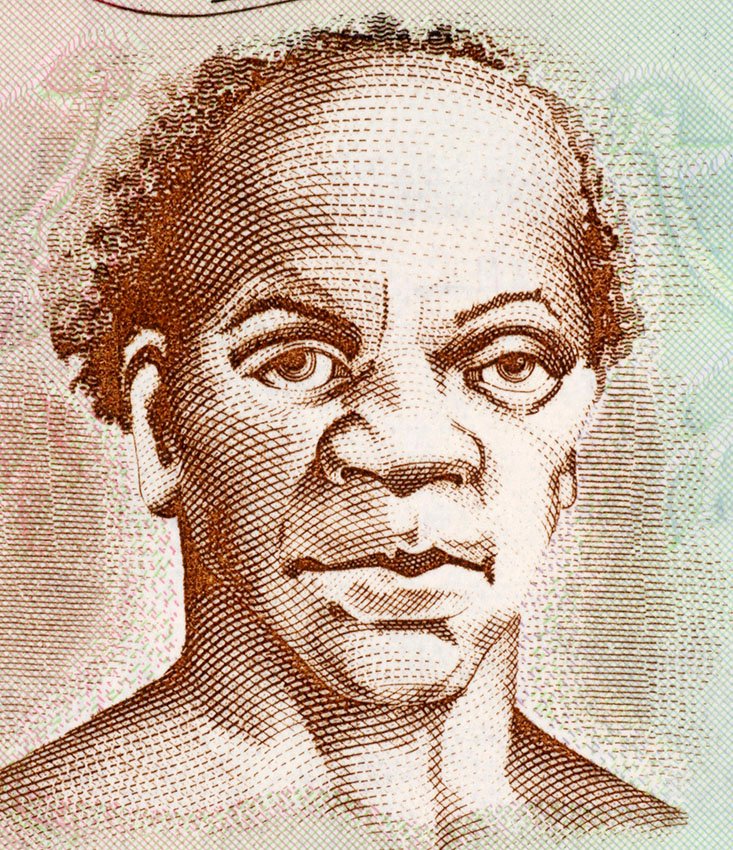
The Face on the $50 and the Truth About the Man It Represents
Look carefully at the Jamaican $50 bill. The man on it is Samuel Sharpe. Now ask the obvious question. Does that face look like a man in his early 30s?
Sam Sharpe was executed on May 23, 1832. According to slave records, he was only 31 years old. Yet the image Jamaica knows so well presents a man who appears much older. The hairline is deeply receded. The eyes are heavy and worn. The mouth is tight, almost strained. The portrait suggests age, exhaustion, and gravity, not youth.
This disconnect is not accidental. It is the result of how history had to imagine Sam Sharpe rather than remember him.
Sam Sharpe’s Life and Leadership
Samuel Sharpe was born into slavery in St James, Jamaica, around 1801. Enslaved on a plantation owned by Samuel and Jane Sharpe, he appeared in early slave records under the name Archer. Unlike most enslaved Jamaicans, Sharpe was allowed to become educated. Literacy elevated him among his peers and helped shape his influence.
Sharpe became a Baptist lay deacon at Burchell Baptist Church in Montego Bay, under the missionary Thomas Burchell. The Baptist church recognized the enslaved as full members and allowed them to preach, which gave Sharpe both a platform and legitimacy. He travelled across parishes teaching Christianity and quietly discussing freedom, justice, and equality. He believed faith promised liberation and that slavery was morally wrong.
His intelligence and integrity earned him the name “Daddy Sharpe,” a title of respect that spoke to leadership, not age.
The Baptist War and His Enduring Impact
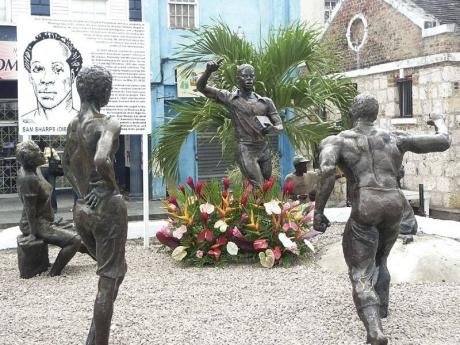
In 1831, Sharpe became aware that the British Parliament was debating the abolition of slavery. Believing emancipation had already been granted but withheld by local planters, he organized a peaceful general strike. Enslaved people across western Jamaica would refuse to work unless paid wages, targeting the sugar harvest, the backbone of the plantation economy.
Planters responded with violence. What began as nonviolent resistance escalated into the Christmas Rebellion, also known as the Baptist War. It spread rapidly across western Jamaica and mobilized tens of thousands of enslaved people, becoming the largest slave uprising in the island’s history.
The rebellion was brutally suppressed. Sharpe was captured, tried, and sentenced to death. While imprisoned, he made the words that would define his legacy, reportedly saying:
“I would rather die upon yonder gallows than live my life in slavery.”
He was hanged and buried without honor. Within two years, Britain passed the Slavery Abolition Act. Full freedom followed in 1838. Sharpe did not live to see emancipation, but his actions helped force it into reality.
The Image Problem
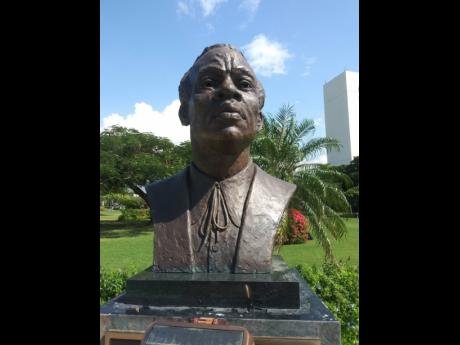
No verified portrait of Sam Sharpe from his lifetime exists. As an enslaved man in the early 19th century, he would never have had a formal portrait commissioned. Any early images would have been crude sketches based on verbal descriptions or court observations, created for control and identification, not accuracy or respect.
Later artists had no true likeness to work from. The most widely recognized image of Sharpe comes from later interpretations, especially those associated with Delroy Russell. These works were symbolic. They emphasized wisdom, seriousness, and authority. Youth was sacrificed in favor of gravity.
The stiff proportions and awkward mouth suggest an artist inventing a face under historical pressure rather than reproducing one from life. What survives is not a portrait, but a representation.
The $50 Note and Reclaimed Memory
When Jamaica placed Sam Sharpe on the $50 banknote in 1988, it was reclaiming a man deliberately erased by colonial power. An enslaved preacher once condemned as a criminal was elevated into daily national life.
The image may not show how Sam Sharpe truly looked. It may make him appear older than he was. But it carries something deeper and more important. It represents a young Jamaican who used faith, intelligence, and collective action to stand up for change. A man who chose principle over fear. A leader who empowered others to believe freedom was possible.
The face on the $50 may be imagined, but the legacy is real. Sam Sharpe was not remembered because he looked powerful. He is remembered because he was.