
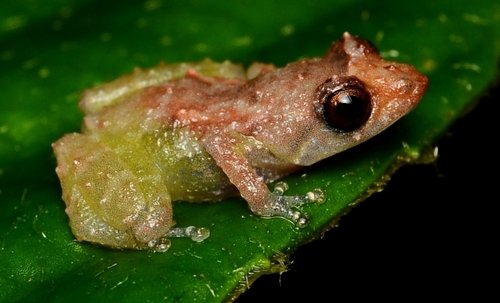
When Hurricane Melissa swept across Jamaica, the Blue Mountains’ delicate cloud-forest ecosystems faced some of the greatest risks. Among the species most vulnerable to habitat disturbance is the Red-eyed Frog (Eleutherodactylus nubicolus), an endemic and endangered amphibian found nowhere else on Earth. Against this backdrop of ecological uncertainty, the recent sighting of this frog during a post-storm assessment is far more than a simple wildlife observation—it is a sign of resilience in one of Jamaica’s most fragile habitats.
A Frog Bound Tightly to the Clouds
The Red-eyed Frog inhabits cool, wet, high-elevation cloud forests in the upper Blue Mountains. These forests are globally rare ecosystems defined by persistent mist, moss-laden trees, and a rich understory that stays moist year-round. Species that depend on these conditions are often extremely specialized—and therefore extremely vulnerable.
This frog belongs to Jamaica’s diverse Eleutherodactylus genus, commonly called “rain frogs” because they do not rely on open water for breeding. Instead, they practice direct development: eggs hatch into miniature froglets, skipping the tadpole stage entirely. The Red-eyed Frog is even more particular. It lays its eggs in tiny holes in moist shale banks, hidden under leaf litter or tucked into crevices on steep slopes. The stability of these microhabitats is essential for the embryos’ survival.
Why Hurricanes Threaten This Species
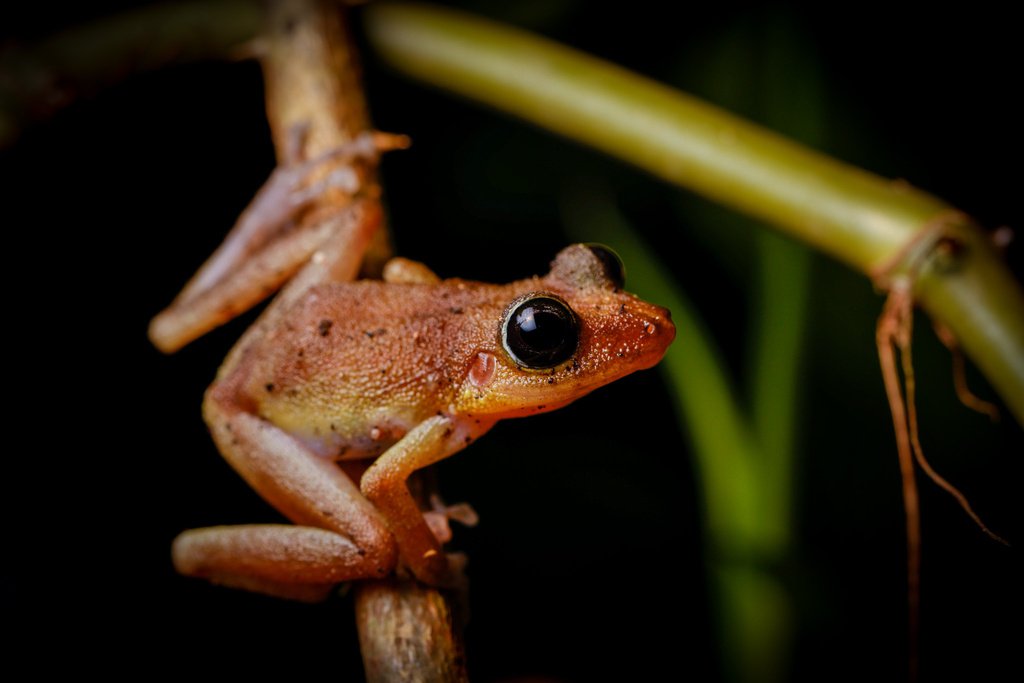
Cloud-forest frogs are highly sensitive to changes in moisture, temperature, and ground structure. A strong storm like Hurricane Melissa can disrupt their survival in several ways:
- Slope erosion can destroy shale banks where eggs are deposited.
- Fallen trees alter moisture levels on the forest floor.
- Breaks in canopy cover increase sunlight and heat, drying out essential breeding sites.
- Altered stream valleys can shift humidity levels across the landscape.
Because this species lives in such a narrow habitat range, even small disturbances can have outsized effects on population numbers. That is why finding an individual shortly after Melissa is so significant—it means at least some breeding sites and microclimates endured the storm.
A Sign of Ecological Persistence
The photographed frog, clinging to a field researcher’s hand, represents more than a species checkmark. It is evidence that the cloud forest’s most sensitive residents continue to hold on. Endemic amphibians are often among the first species to disappear when environmental conditions shift. Their presence after a hurricane acts as an ecological barometer, indicating that parts of the forest remain intact and functional.
This sighting also underscores the importance of ongoing field assessments. Without regular monitoring, declines in small, elusive species may go unnoticed until they reach critical levels. Observations like this help scientists track habitat health, identify vulnerable sites, and shape conservation strategies for the Blue Mountains biodiversity hotspot.
Why Conservation Matters
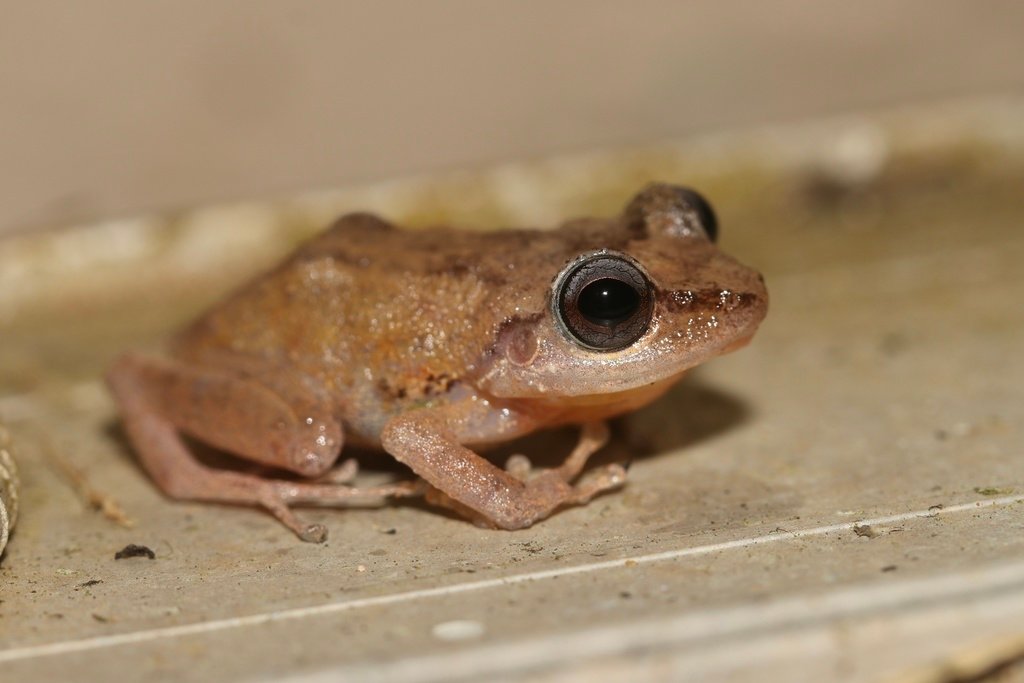
Jamaica is home to more than 20 endemic frog species, many of which inhabit narrow ranges in upland forests. Amphibians globally are declining faster than any other vertebrate group, threatened by habitat loss, climate change, fungal diseases, and pollution. Protecting species like the Red-eyed Frog helps preserve entire ecosystems—because amphibians play critical roles in insect control, nutrient cycling, and maintaining the balance of forest communities.
The Blue Mountains, with their unique mix of geology, climate, and elevation, are one of the Caribbean’s last refuges for montane biodiversity. Ensuring their protection is essential not only for frogs, but for countless plants, birds, invertebrates, and microorganisms found nowhere else.
Citizen Science and Local Stewardship
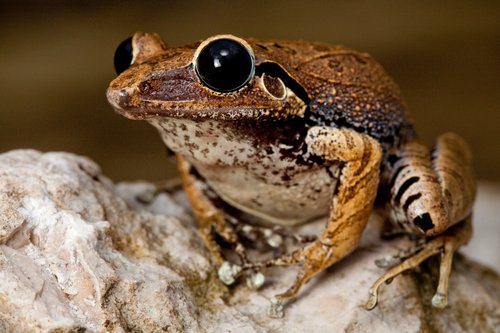
Platforms like Roosters World JA encourage Jamaicans to engage with the island’s wildlife by sharing observations, learning about endemic species, and supporting conservation discussions. Local knowledge strengthens environmental protection, especially in remote habitats where scientific teams visit infrequently.
Each shared photo, sighting, or story contributes to a growing database of biodiversity information—helping researchers piece together the condition of Jamaica’s ecosystems after natural disasters and during long-term environmental change.