
A violent start to the year
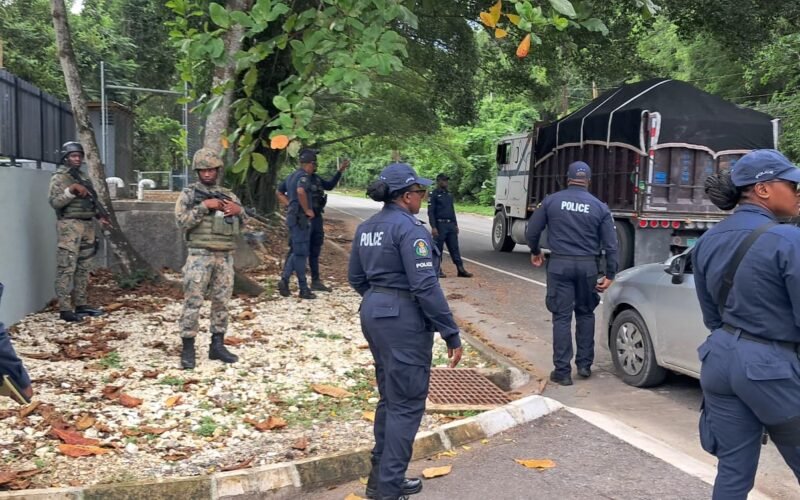
Jamaica began the new year under a cloud of concern after seven people were fatally shot during security forces operations on January 1. The killings immediately reignited national debate about policing, accountability, and how violence is measured in the country. For many Jamaicans, the timing was jarring. A new year traditionally symbolizes renewal, yet the opening day was marked by deadly force and renewed fear.
The headline Jamaica celebrated in 2025
At the end of 2025, Jamaica recorded 673 murders, a figure widely reported as the lowest in more than three decades. The decline was significant and reflected a real reduction in criminal homicides compared to previous years. Fewer murders meant fewer families grieving victims of gang violence and fewer communities living under constant threat.
That achievement mattered and deserved recognition. It suggested that some crime fighting strategies were having an effect, and it offered hope that Jamaica could move away from its long history of extreme violence.
The number many say cannot be ignored
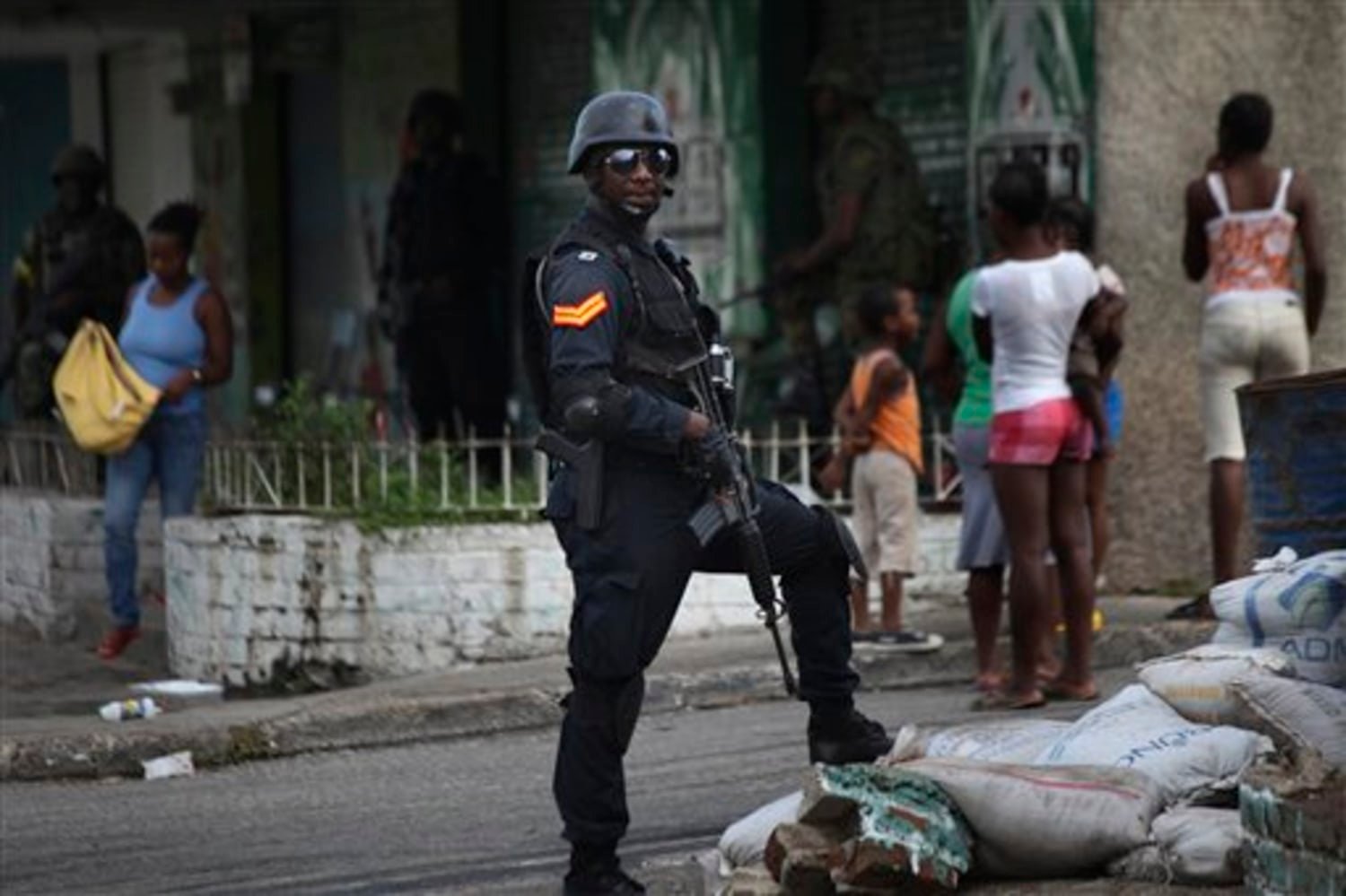
Alongside that progress, however, another figure deeply unsettled the public. In 2025, police fatally shot 311 people. For many Jamaicans, this represented the highest level of police killings they could remember in their lifetime. While police fatal shootings are not classified as murders in official crime statistics, they still represent violent deaths that affect families, communities, and public trust.
This distinction lies at the heart of the national conversation. When officials speak of murder reductions, many citizens feel that a significant part of the violence story is missing.
The combined picture of violent death
When the numbers are viewed together, the reality becomes stark.
673 recorded murders plus 311 police killings equals 984 violent deaths in 2025.
This does not automatically mean police actions were unlawful, nor does it dismiss the complexity of crime fighting in a heavily armed environment. It does, however, challenge the idea that Jamaica experienced a truly low-violence year. For the public, death does not feel less tragic because of how it is categorized.
Why New Year’s Day hit so hard
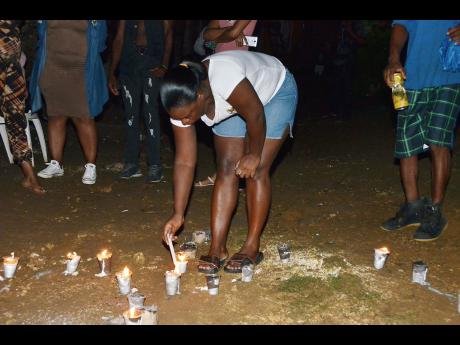
The deaths on January 1 carried symbolic weight. After a year filled with promises of safer communities, Jamaicans were confronted with the reminder that lethal encounters remain common. The incident intensified calls for greater transparency, faster investigations, and stronger oversight of security forces.
Many citizens want criminals confronted and illegal guns removed from the streets. At the same time, they want assurance that lethal force is used only when absolutely necessary and that every fatal encounter is thoroughly and independently examined.
A more honest conversation about safety
Jamaica’s reduction in murders is real and important. But so too is the rise in police involved fatalities. Both realities exist at the same time, and neither should be minimized.
True public safety is not only about lowering murder counts. It is also about trust, accountability, and confidence that the power of the state is exercised with restraint and fairness. Until all violent deaths are acknowledged in national discussions, many Jamaicans will continue to question whether progress is being fully measured or honestly understood.