
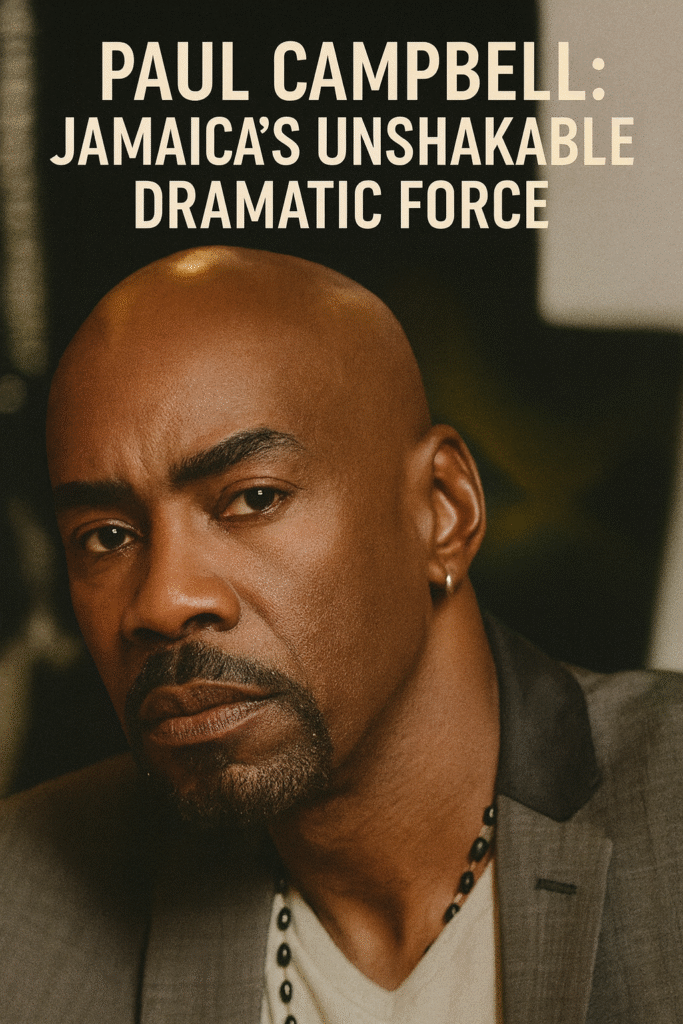
When you hear the name Paul Campbell, Jamaica instantly knows the face. He’s Capone, the hard-nosed cop from Third World Cop; he’s Mad Max, the dangerous hustler from Shottas; he’s the man whose eyes tell stories before he even speaks. Yet beyond the grit, the glare, and the unforgettable lines lies a man whose real-life story is as layered and powerful as the roles he brings to life.
Paul Campbell is not just an actor — he is an emblem of Jamaican storytelling itself: raw, resilient, and fiercely authentic.
The Making of a Performer
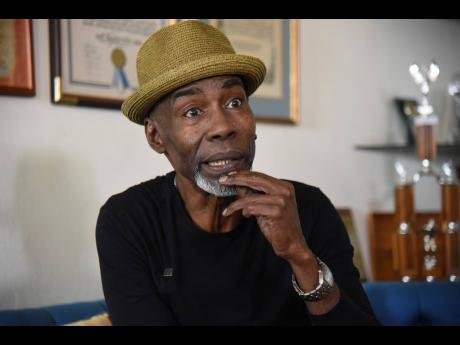
Born in 1959 and raised in Kingston, Campbell’s early life didn’t hint at movie stardom — but the fire was already burning. His mother, recognizing his curiosity for the arts, would take him to plays and screenings across the city. In those moments, something awakened in him: a hunger to perform, to tell stories that mattered.
He attended Kingston College, where he first began dabbling in drama, and later honed his craft at the Jamaica School of Drama — the same creative forge that produced legends like Oliver Samuels and Grace Jones. Those years shaped him into more than a performer; they shaped him into a storyteller with purpose.
From humble beginnings, Campbell carried an unwavering belief that the Jamaican story — in all its rhythm, beauty, and struggle — deserved to be seen and heard.
From Stage Lights to Silver Screens
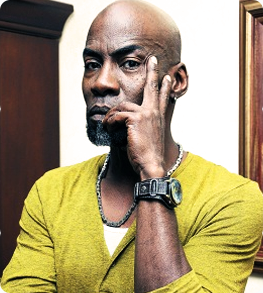
Before he became a screen icon, Campbell conquered the stage. His early performances in plays like Intermission, Flame Heart, Checkers, and White Witch of Rose Hall showcased his extraordinary range. He wasn’t merely acting — he was transforming, disappearing into roles that felt strikingly real.
His theatre work took him beyond Jamaica’s shores to the United States and the United Kingdom, where he performed in productions like Nine Nights, Whiplash, The Merchant of Venice, and Christopher Columbus. Each performance sharpened his instincts, grounding his screen presence in something raw and deeply human.
By the time he appeared on screen in The Lunatic (1991), audiences could sense that he was different. His portrayal of the conniving priest Aloysius wasn’t just memorable — it announced the arrival of a force in Caribbean cinema.
The Rise of a Jamaican Icon
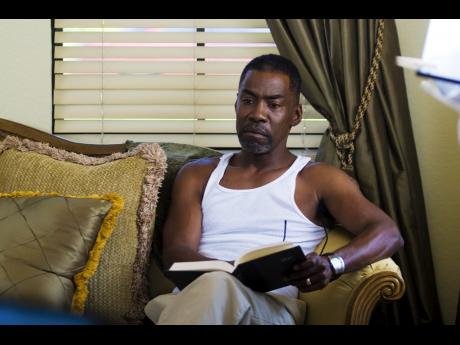
Paul Campbell’s face became the mirror of modern Jamaican film. In Dancehall Queen (1997), he played Priest, the menacing figure whose obsession spirals into chaos. The performance cemented his place in local film history. Then came Third World Cop (1999), where his turn as Capone — the street-smart cop torn between justice and loyalty — became the defining role of his career. The film shattered box office records and brought Jamaican film into a new era.
And then there was Shottas (2002). As Mad Max, Campbell embodied the contradictions of a man hardened by survival yet haunted by humanity. The film became an anthem for the Jamaican diaspora — raw, unflinching, and deeply emotional.
From there, he moved fluidly between roles and borders: Out the Gate (2011), Entry Denied, Final Verdict, and Country of the One-Eyed God. He even stepped into history, portraying national hero Paul Bogle in the BBC production Catch a Fire. Across every role, he carried with him the unmistakable rhythm of the island — that mix of pain, pride, and poetry that makes Jamaican storytelling so powerful.
The Battles Behind the Spotlight
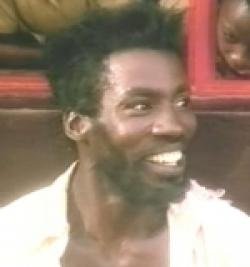
But Paul Campbell’s story isn’t one of easy success. Behind the fame was a man who faced real hardship — even homelessness — before finding stability. Later, he would survive both cancer and a major heart attack in 2017 while in Florida, experiences that changed how he saw life and legacy. “You start to realize,” he once shared, “that every breath, every chance to create, is a gift.”
Those near-death experiences became turning points. He quit smoking, adjusted his lifestyle, and refocused his energy on mentoring others and creating meaningful art. His struggles, once private, became part of the strength audiences saw in his performances. That intensity, that lived experience, is what makes his characters so real.
His extraordinary life story is captured in the documentary Paul Campbell: The Life and Times of a Jamaican Movie Star — a reflection of his journey through hardship, healing, and triumph.
Beyond the Camera: The Painter and the Mentor
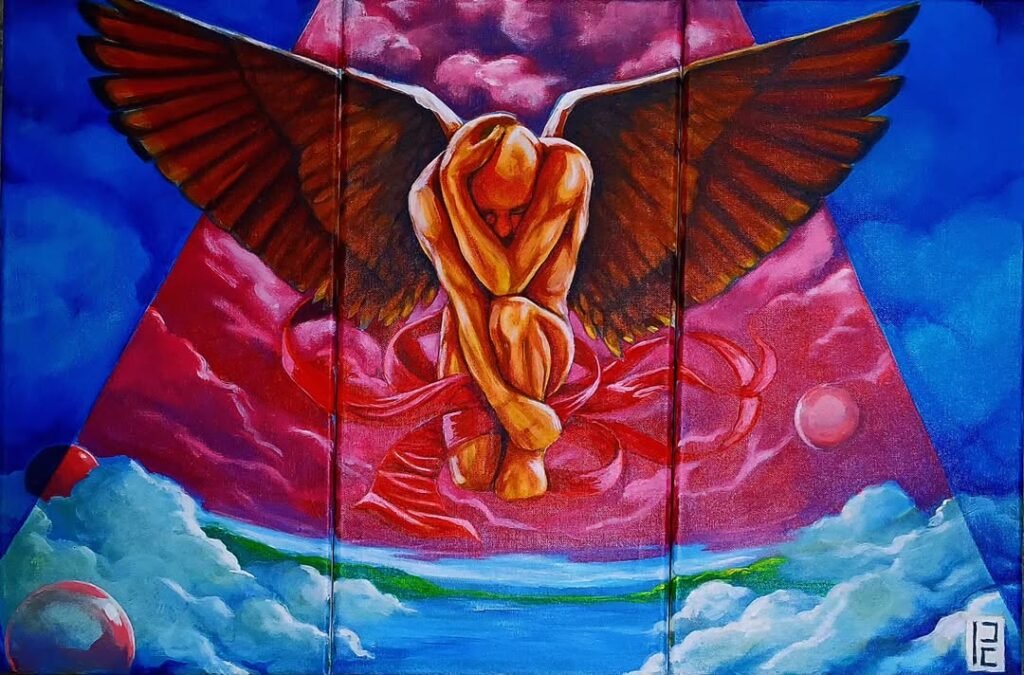
Paul Campbell is not confined to the screen. He’s also a painter, and his art has been exhibited in Kingston, London, and Lugano, Switzerland. His brushstrokes are as expressive as his performances — bold, emotional, and distinctly Jamaican.
But perhaps his most impactful role today is that of teacher and mentor. Through his program “Shoot for the Camera, Not the Gun,” he introduces filmmaking to young Jamaicans, urging them to channel creativity instead of conflict. It’s his way of giving back — of ensuring that the next generation of storytellers has the tools and belief to tell their own truths.
He’s also been vocal about the need for stronger support for Jamaica’s creative industry. When the Jamaica Screen Fund was launched, Campbell championed it as a vital opportunity to build a sustainable homegrown film culture. He wants to see more stories written, produced, and owned by Jamaicans — stories that reflect their real voices.
The Man Behind the “Bad Man”
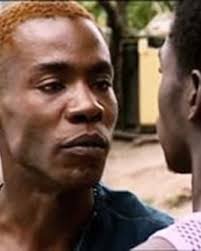
Though he’s famous for playing the “bad man,” Campbell has always resisted the stereotype. In Love After Holidays, he took on a fatherly, tender role, reminding audiences that he can be both fierce and gentle. For him, every role is about truth, not type.
Perhaps his most iconic unscripted moment came in Dancehall Queen, when he delivered the now legendary line:
“Walk and live! Talk and dead!”
It wasn’t written — it just came out naturally. And that’s Paul Campbell in a nutshell: instinctive, real, and unforgettable.
His voice, deep and distinct, once graced the airwaves of Fame FM, proving that even when unseen, he could command a crowd. His artistry has earned him the Doctor Bird Award, and he’s been named Best Actor twice at the Jamerican Film & Music Festival — accolades that confirm what fans already know: he’s one of Jamaica’s finest.
Legacy of a Living Legend
Paul Campbell’s story is the story of Jamaica — bold, uncompromising, and beautifully complex. From stage to screen, from paintbrush to mentorship, he has spent decades shaping not just performances, but perspectives. He has shown the world that Jamaican talent is not defined by borders, budgets, or stereotypes — it is defined by heart.
Now in his sixties, Campbell continues to create, to teach, and to inspire. His legacy is not just in the films he’s made, but in the doors he’s opened and the voices he’s encouraged.
In the end, Paul Campbell is more than an actor. He is a movement — a symbol of persistence, purpose, and pride.
He is proof that greatness, like Jamaica itself, is born from struggle, rhythm, and an unshakable will to rise.