
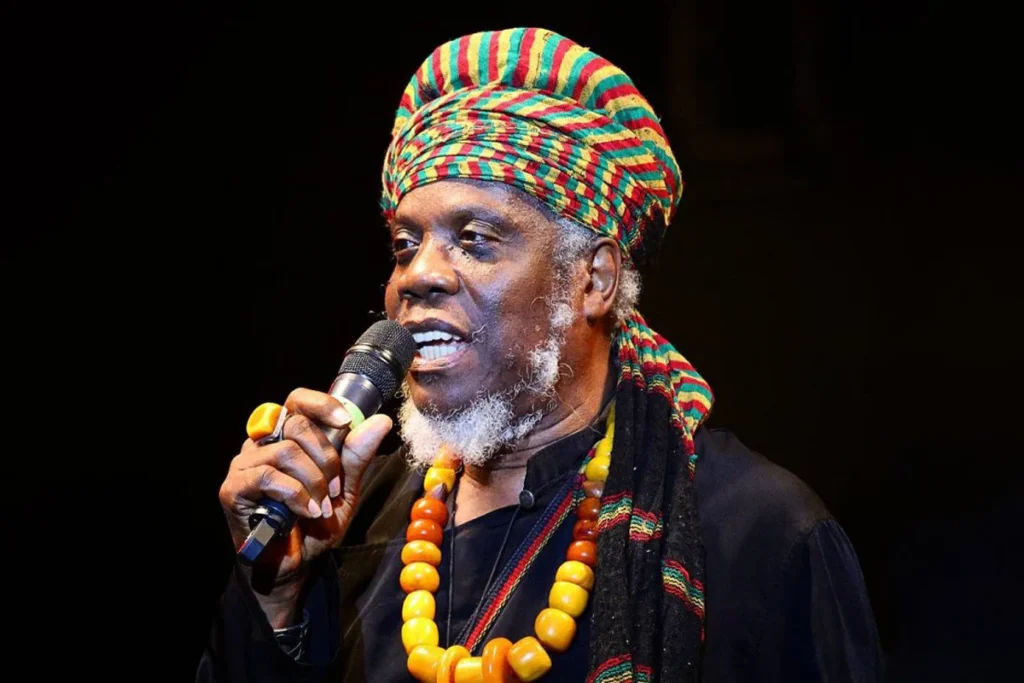
For over four decades, Jamaican poet and cultural icon Mutabaruka has chosen to walk barefoot—not as spectacle, but as a deliberate spiritual and philosophical practice rooted in Rastafari belief. His rejection of shoes reflects a deeper stance: resistance to materialism, colonial conditioning, and disconnection from the natural world.
In Rastafari tradition, being “grounded” carries layered meaning. It signifies both physical contact with the earth and spiritual alignment with nature, ancestry, and divine creation. By remaining barefoot in daily life, Mutabaruka embodies that principle continuously, transforming an everyday act into cultural statement and a lived ideology.
Barefoot as Resistance and Identity
Mutabaruka’s choice challenges dominant social norms that equate footwear with status, civility, and modern progress. Colonial systems historically framed barefoot Africans and Afro-Caribbean people as primitive or inferior. By consciously rejecting shoes, he reverses that narrative—reclaiming barefootedness as dignity, autonomy, and ancestral continuity.
This stance aligns with broader Rastafarian philosophy, which critiques Western consumerism and artificial social hierarchies. Natural living, simplicity, and closeness to earth are seen not as deprivation, but as liberation from imposed values.
Spiritual Connection to Earth
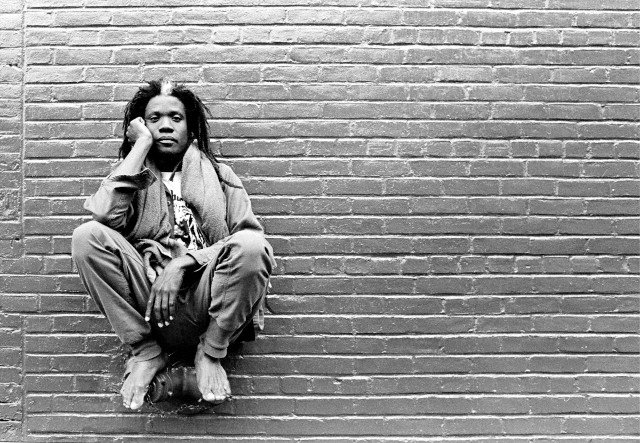
Across many African and indigenous traditions, direct contact with the ground symbolizes energy exchange between human and earth. In Rastafari reasoning, the soil of creation holds sacred power. Walking barefoot becomes a constant act of remembrance: humanity originates from earth and remains sustained by it.
Mutabaruka’s lifelong practice, therefore, expresses theology through body movement. Each step reinforces a worldview where nature is teacher, source, and spiritual companion rather than a resource to dominate.
Cultural Philosophy Made Visible
Mutabaruka has long used poetry, radio, and public discourse to challenge social injustice, colonial mentality, and cultural erasure. His barefoot life extends that message beyond words into a visible example. It demonstrates that philosophy can be lived, not merely spoken.
In this sense, his appearance itself becomes a cultural text—an embodied critique of consumer culture and a celebration of African-derived consciousness within Jamaican identity.
Anti-Materialism and Pro-Natural Living
Rejecting footwear also represents a refusal of unnecessary consumption. Rastafari philosophy often emphasizes self-reliance, natural food, and minimal dependence on manufactured goods. Shoes symbolize participation in industrial economies built on exploitation and environmental harm. Going barefoot offers an alternative ethic: simplicity and ecological respect.
Mutabaruka’s consistency across decades underscores authenticity. This is not occasional symbolism but lifelong commitment, reinforcing credibility within cultural and spiritual discourse.
Groundedness as National Reflection
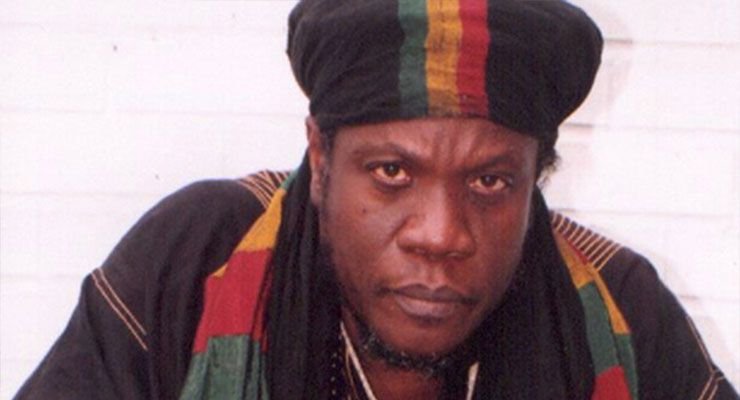
Jamaica’s cultural identity has long balanced modern life with ancestral memory. Figures like Mutabaruka keep that connection visible, reminding society of roots deeper than colonial history. His barefoot practice evokes rural childhood traditions, African heritage, and spiritual continuity often overshadowed by urban modernity.
Through him, barefootedness becomes more than personal habit—it becomes a national metaphor. Jamaica itself remains grounded in land, rhythm, and ancestral consciousness despite global change.
A Living Symbol of Rastafarian Philosophy
Mutabaruka’s life illustrates how Rastafari belief moves beyond ritual into everyday existence. His feet touching the earth daily represent faith enacted rather than proclaimed. The practice merges spirituality, politics, culture, and identity into a single embodied statement.
After more than forty years, his barefoot walk continues to affirm a simple yet profound idea: true freedom lies not in material accumulation, but in reconnection—to earth, heritage, and self.