
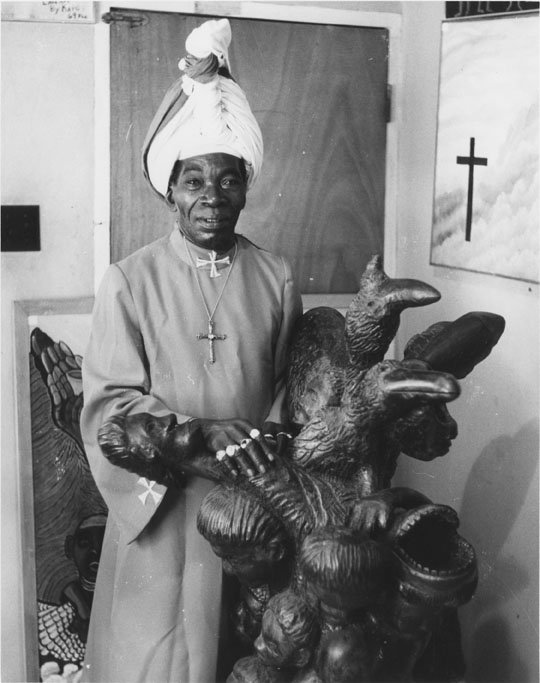
On February 10, 2026, the Jamaica Cultural Development Commission (JCDC) gathered at National Heroes Park to honour the 115th anniversary of the birth of Mallica “Kapo” Reynolds, OD—one of Jamaica’s most celebrated intuitive artists and a powerful Revivalist religious leader whose spiritual vision helped shape modern Jamaican visual culture.
This commemoration is fitting, because Kapo’s story sits at a uniquely Jamaican crossroads: faith and folklore, ceremony and creativity, the sacred and the everyday. His work did not simply decorate walls—it carried the pulse of a people’s spiritual life, translated into paint and carved into wood with a language that felt both ancient and immediate.
Who Was Kapo?
Mallica Reynolds, known to the nation as “Kapo,” was born on February 10, 1911, in the Byndloss district of St. Catherine. He became renowned as both a self-taught artist and a Revivalist leader, a combination that deeply shaped his artistic style and subject matter.
Kapo is widely associated with Jamaica’s Intuitives movement, a circle of artists who worked largely outside formal academic training, creating from instinct, spiritual insight, and cultural memory. Within that tradition, Kapo stands out not only for technical brilliance but for the clarity of his spiritual imagery and the way his art captured communal worship and sacred presence as lived Jamaican reality.
The Revivalist Roots Behind the Art
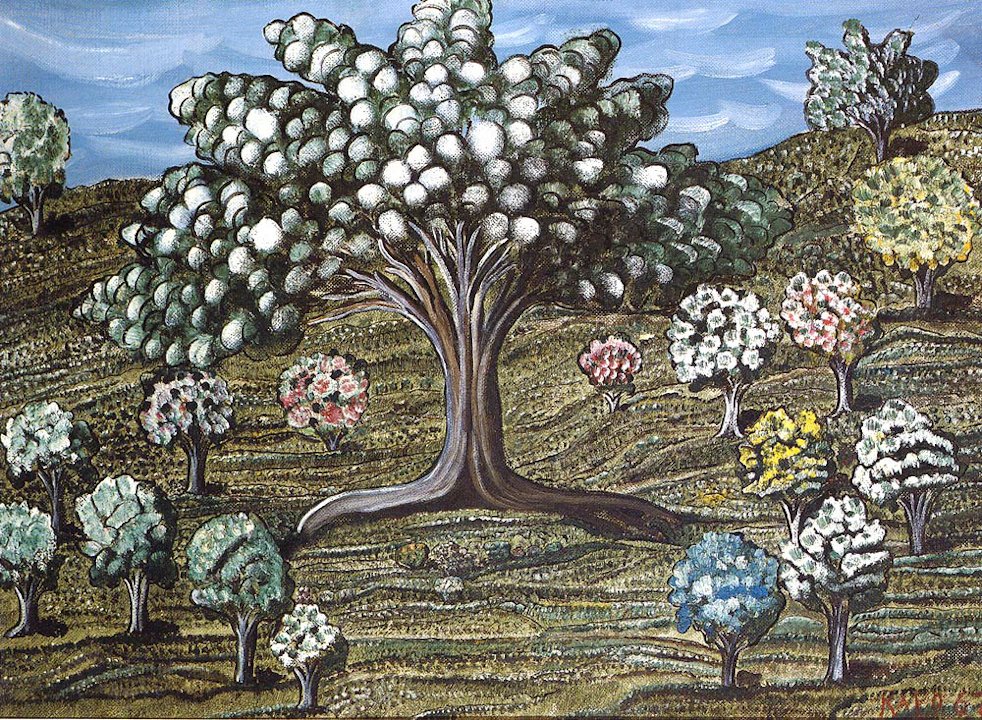
To understand Kapo’s work, you have to understand what nourished it: Jamaica’s Revival traditions—rituals of song, drumming, dance, spirit-filled movement, and deep communal expression. Kapo’s life as a religious leader was never separate from his art; it was the well he continually drew from.
In his most recognizable works, figures move with the urgency and rhythm of ceremony—arms lifted, bodies leaning forward, faces poised between earth and spirit. The scenes may appear stylized, yet they carry documentary truth. They feel like Jamaica in motion, Jamaica in worship, Jamaica in divine conversation.
A National Legacy Recognized in Honour
Kapo’s influence surged especially through the 1970s and never truly faded. His imagery became part of Jamaica’s cultural vocabulary long after his passing in 1989. National and cultural institutions acknowledged his significance through major honours, including a gold medal presented by Emperor Haile Selassie I during the Emperor’s historic 1966 visit to Jamaica, the Silver Musgrave Medal in 1969 and later the Gold Musgrave Medal in 1985 from the Institute of Jamaica, the Norman Manley Award for Excellence in the Fine Arts in 1985, and the national Order of Distinction awarded in 1977.
These recognitions were more than ceremonial accolades. They reflected a national understanding that Kapo was not merely a talented painter and sculptor, but a cultural force whose work gave visual form to Jamaica’s spiritual identity.
Why National Heroes Park Matters in This Tribute
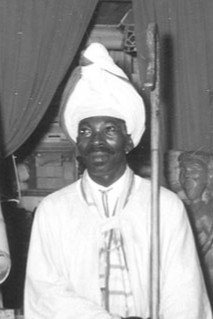
National Heroes Park is not simply a convenient venue for ceremonies; it is symbolic ground where Jamaica locates memory and meaning. Honouring Kapo there reinforces his place within the nation’s cultural story as someone whose contribution rises beyond artistic fame into national significance.
Jamaica has long recognized artists as nation builders, people who help a country see itself clearly. Kapo did this by elevating forms of worship and spiritual expression that many Jamaicans knew intimately but rarely saw affirmed within the sphere of fine art.
The Enduring Power of Kapo’s Vision
Kapo’s greatness lies not only in the beauty of his work but in its authenticity. He created art rooted firmly in local belief systems, movement, and expression, yet powerful enough to stand alongside global masters. His paintings and sculptures hold the authority of lived experience.
Even today, when Jamaican culture is often simplified for global consumption, Kapo’s work reminds us of depth. It affirms that Jamaica’s spirituality is not marginal, and that the people’s rituals, songs, and sacred imagination deserve reverence and permanence in art.
A Tribute That Reaffirms Jamaican Cultural Memory
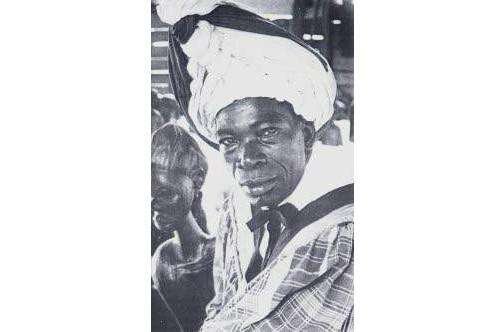
The JCDC’s 115th anniversary observance was more than a birthday tribute. It was a reaffirmation of cultural memory and artistic lineage. It declared that this legacy remains vital and that Jamaica continues to honour those who shaped the nation’s spiritual and creative consciousness.
For anyone who has felt the electricity of Jamaican worship, the pull of ancestral rhythm, or the quiet power of faith expressed through movement, Kapo’s art is not distant history. It remains a living mirror of Jamaica’s soul.