
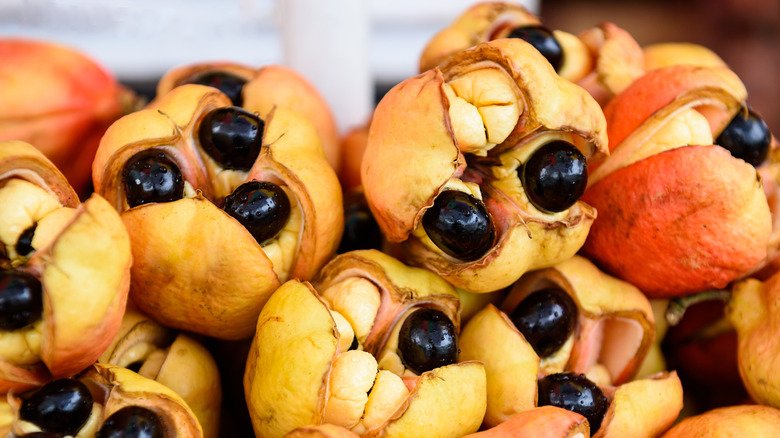
A renewed national call is encouraging Jamaican farmers and landowners to plant more ackee trees, alongside breadfruit, to meet rising local consumption and expanding overseas demand. The appeal reflects both economic opportunity and cultural responsibility, as ackee remains one of Jamaica’s most iconic foods and a vital agricultural export.
Ackee is far more than a crop. It is Jamaica’s national fruit and a cornerstone of the country’s culinary identity, inseparable from the beloved dish ackee and saltfish. Its presence spans backyard trees, rural farms, urban markets, and diaspora kitchens abroad. Increasing global interest in Caribbean cuisine has intensified demand, especially in North America and the United Kingdom, where Jamaican communities maintain strong cultural food traditions.
Rising Demand and Export Potential
Jamaica remains the world’s primary commercial producer of ackee, particularly in processed and canned form. International food safety standards, once a barrier to export, have been successfully navigated through regulated harvesting and processing systems that ensure only fully ripened, naturally opened fruit enters production. This compliance has allowed Jamaican ackee to secure stable export markets and premium cultural value.
Demand continues to outpace supply. Hotels, restaurants, exporters, and households regularly face seasonal shortages, while overseas distributors seek consistent shipments. Expanding cultivation offers farmers a reliable long-term income stream, as ackee trees are perennial and productive for decades once established.
Agricultural Resilience and Land Use
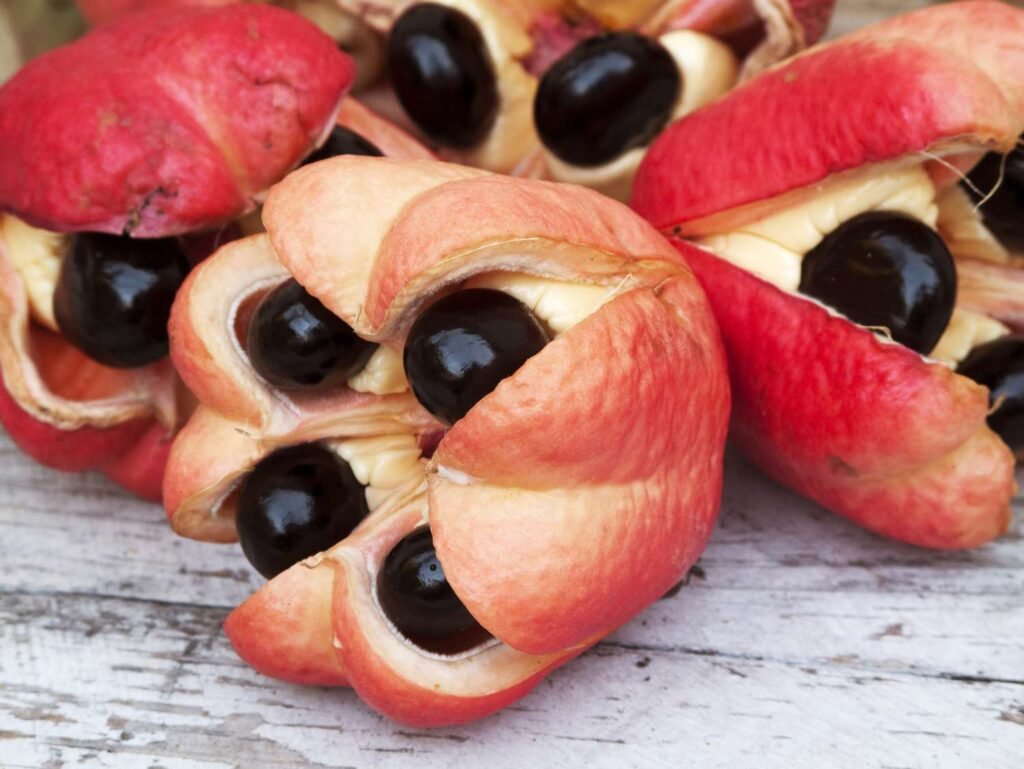
Encouraging ackee planting also supports climate resilience and diversified agriculture. The tree adapts well to Jamaica’s varied soils and rainfall patterns and requires relatively low maintenance after maturity. Integrating ackee into mixed farming systems alongside breadfruit, coconut, or root crops strengthens food security while reducing dependence on single-crop income.
For small farmers, ackee offers particular advantages. It can grow on marginal or sloped land unsuitable for annual crops, stabilizing soil and providing shade. Harvest seasons create periodic income without the continuous input costs associated with vegetables or short-cycle produce.
Cultural Preservation Through Cultivation
The push to plant more ackee also carries cultural significance. As Jamaican cuisine gains international recognition, safeguarding traditional ingredients becomes essential. Maintaining strong domestic production ensures that ackee remains accessible locally and authentically Jamaican in origin rather than diluted by substitute supply chains.
Ackee trees also hold social meaning. Many Jamaicans recall childhood homes with towering ackee branches in the yard, fruit shared among neighbours, and seasonal picking rituals that marked rural life. Expanding cultivation keeps that living heritage rooted in landscape and memory.
Breadfruit and the Broader Tree-Crop Strategy
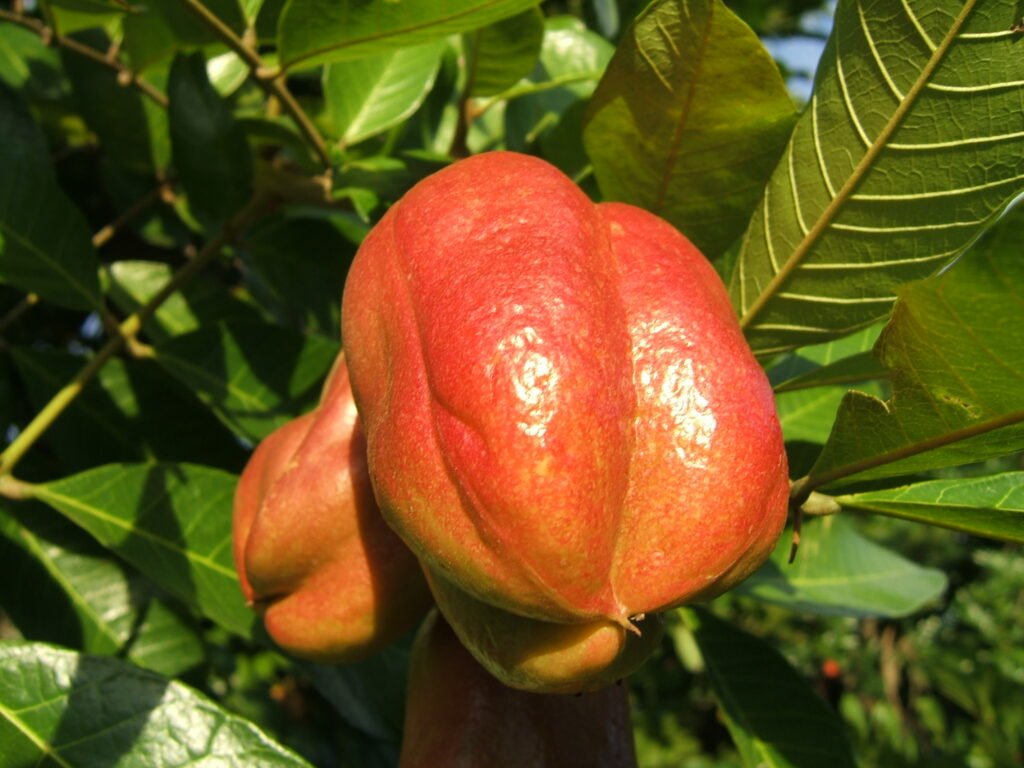
The call extends beyond ackee to breadfruit, another historic staple with rising culinary and export value. Together, ackee and breadfruit represent a broader national strategy encouraging tree crops that combine nutrition, export earnings, and environmental sustainability. Both fruits thrive in Jamaica’s climate and support agroforestry approaches that protect soil and biodiversity.
A Long-Term Investment in Jamaica’s Food Future
Planting ackee is not an immediate return crop; trees take several years to mature. Yet once established, they can produce for generations. For farmers, communities, and the national economy, expanding orchards represents a strategic investment in food sovereignty and agricultural heritage.
The renewed appeal to plant more ackee reflects a simple but powerful truth: Jamaica’s most beloved foods depend on sustained cultivation. Ensuring abundant supply protects culinary identity, strengthens rural livelihoods, and allows Jamaican flavour to continue reaching tables around the world.
As global appreciation for Caribbean cuisine grows, the humble ackee tree stands as both economic opportunity and cultural anchor—rooted in Jamaican soil, yet nourishing people far beyond its shores.