
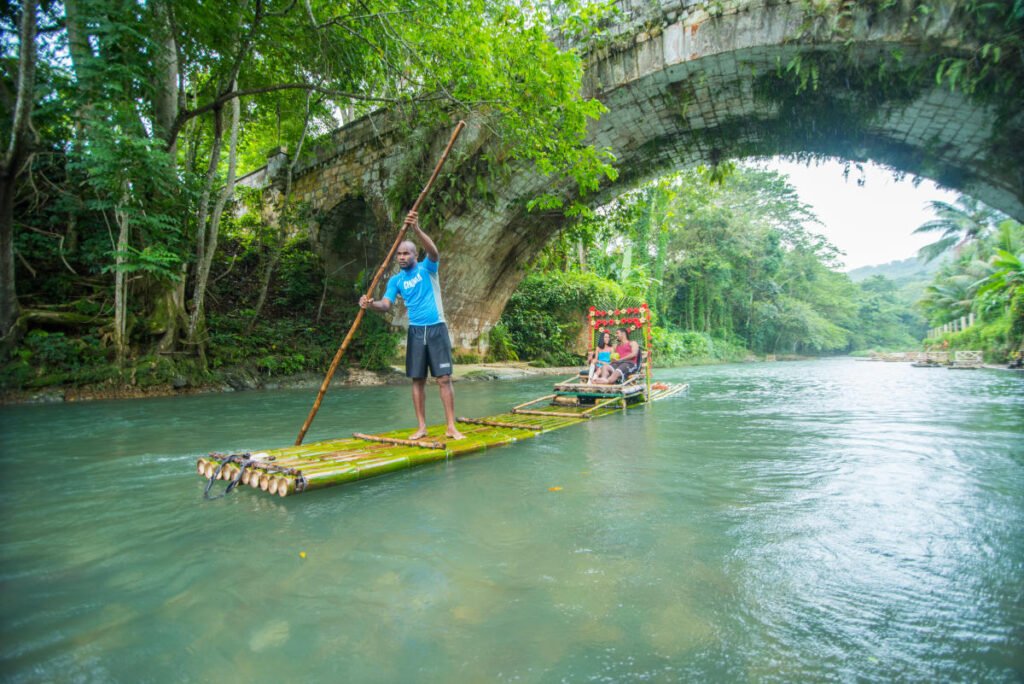
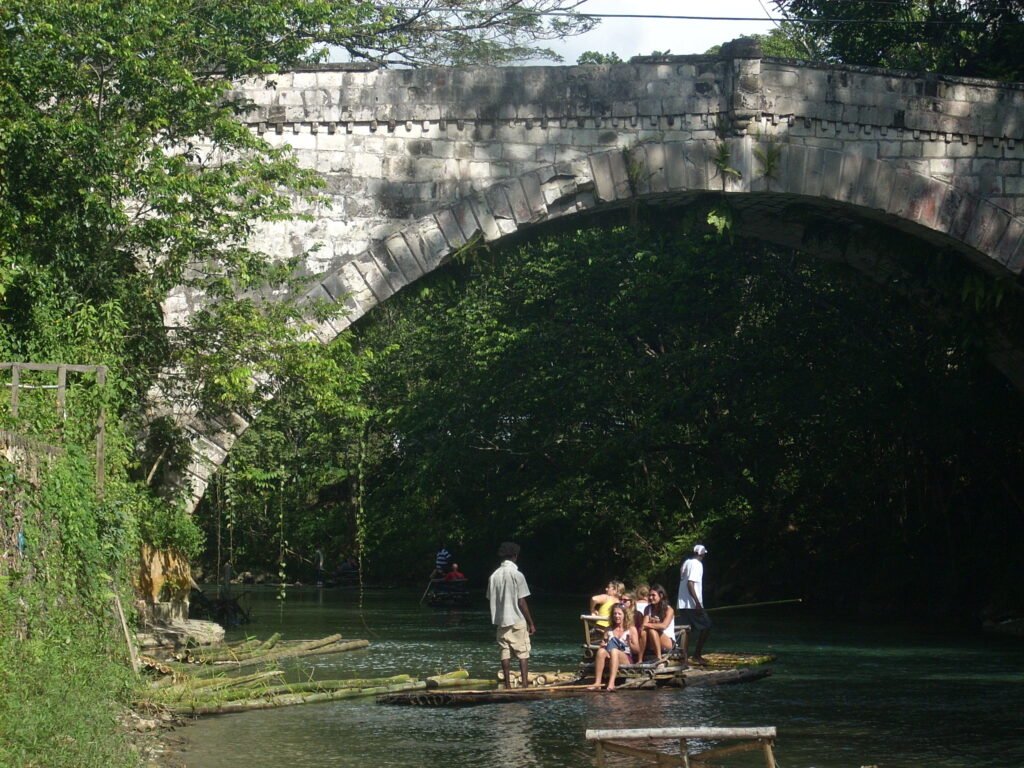
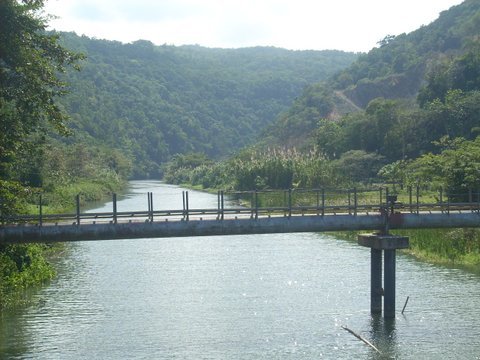
Tucked along Jamaica’s western countryside, Lethe in Hanover is a community shaped by history, nature, and endurance. The Great River flows steadily through the district, passing beneath a bridge that has stood for more than two centuries—a reminder that this area has witnessed generations of movement, survival, and change.
Reaching Lethe is not always simple. In recent times, hurricane damage has made already difficult roads even more challenging. Detours, washed sections, and uneven terrain have turned short journeys into long ones, underscoring how natural disasters continue to affect rural communities long after the storms themselves have passed.
When access becomes a challenge

These conditions formed the backdrop for a recent outreach effort that brought care packages to children in the area. The journey itself highlighted a reality often overlooked: when infrastructure is strained, delivering help requires extra commitment. Distance is no longer measured only in miles, but in time, effort, and persistence.
Volunteers worked together with coordinated energy—packing, organizing, and distributing supplies with a shared sense of purpose. It was a collective effort rooted in the understanding that community support works best when many hands move as one.
Resilience as inheritance
Despite visible hardship, a familiar Jamaican truth echoed throughout the experience: resilience is learned and passed down. Even after Hurricane Melissa, with homes damaged and resources limited, many residents expressed gratitude in a phrase deeply embedded in Jamaican culture—“thank God fi life.”
The words carry weight. They speak not of ignoring loss, but of choosing to acknowledge survival first. In places where rebuilding can take years, that mindset becomes a stabilizing force, especially for children watching how adults respond to crisis.
The quiet weight of trauma
Not all impact is immediately visible. Emotional trauma often settles quietly, particularly among the young. While some children are outwardly expressive, others internalize fear and uncertainty. In these moments, support does not always come through explanations or grand gestures, but through consistent presence and care.
There is an understanding that long-term solutions—rebuilding homes, restoring infrastructure—take time. In the meantime, small acts of kindness play an essential role in helping children feel grounded.
Why small gestures matter
Simple items included in care packages can have outsized effects. Toys and treats may seem modest, but they offer comfort, familiarity, and moments of joy. For children navigating disrupted routines and uncertain surroundings, these objects can ease anxiety and provide a sense of normalcy when words fall short.
Such gestures help create brief but meaningful emotional relief, reminding children that they are seen and valued.
Community as a safety net
Family ties and community bonds remain central in places like Lethe. Children are often embraced not only by relatives, but by neighbors and friends who step in naturally when needs arise. This shared responsibility reflects a long-standing Jamaican tradition: care is not confined to one household—it belongs to the village.
Perhaps the most powerful outcome of the effort was not measured in numbers, but in feeling. For a moment, children were able to experience safety, reassurance, and calm. In environments shaped by uncertainty, that sense of “I’m safe right now” matters deeply.
In Lethe, amid rough roads and long recoveries, those moments of care and connection stand as quiet proof that healing often begins with presence, compassion, and community.