
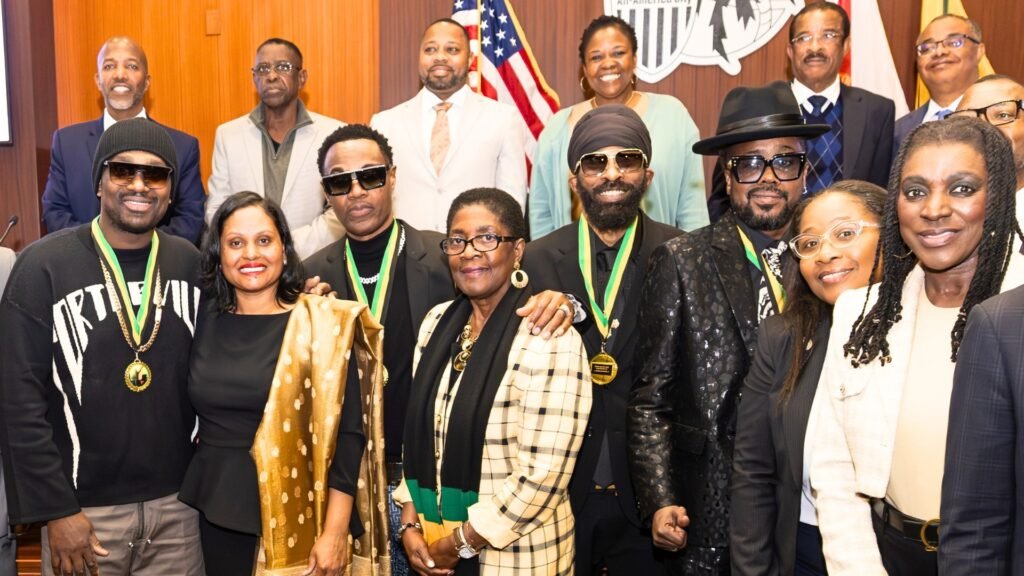
Several veteran Jamaican dancehall and reggae artists have been formally honoured in Lauderhill, Florida, receiving civic proclamations and the symbolic keys to Broward County in recognition of their extraordinary cultural influence and longstanding humanitarian contributions. The ceremony reflects the global reach of Jamaican music and the deep cultural ties linking South Florida to the Caribbean diaspora.
For decades, reggae and dancehall have travelled with Jamaican communities across borders, embedding themselves into the cultural fabric of cities like Lauderhill, Miramar, and Fort Lauderdale. These communities have preserved the rhythms, language, and identity of the island, transforming local spaces into vibrant extensions of Jamaican cultural life abroad. Honouring Jamaican artists within these civic institutions acknowledges that music has been central to this continuity.
Cultural Ambassadors Beyond the Stage
The artists represented represent generations who carried Jamaican sound from grassroots beginnings to international prominence. Many emerged from Kingston’s sound system culture, where music served as both entertainment and social commentary. Their lyrics addressed inequality, spirituality, resistance, celebration, and daily survival, giving voice to communities often unheard in mainstream narratives.
As their influence spread globally, these performers became cultural ambassadors, introducing Jamaican language, fashion, dance, and worldview to audiences far beyond the island. Reggae’s messages of unity and consciousness and dancehall’s expressions of urban reality and resilience reshaped global music landscapes. Their reach extends across continents, influencing hip-hop, pop, electronic music, and contemporary global culture.
Diaspora Recognition and Identity
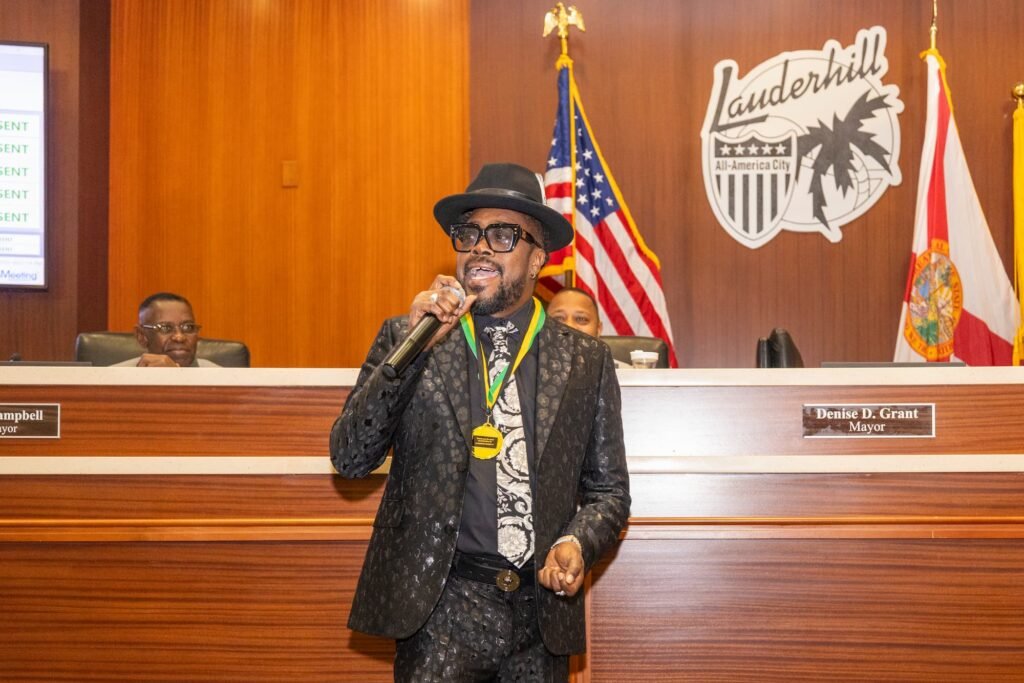
For Caribbean populations in Florida, the recognition carries profound emotional and cultural significance. It affirms that Jamaican heritage is not peripheral but integral to local multicultural identity. Civic honours validate the contributions of immigrant communities and acknowledge the role Caribbean culture has played in shaping the region’s social and artistic environment.
Such ceremonies also strengthen intergenerational pride. Younger members of the diaspora see their heritage publicly celebrated, reinforcing cultural continuity in environments far from ancestral homelands. Recognition becomes both tribute and transmission—honouring pioneers while inspiring future creators.
Humanitarian Impact and Community Leadership
Beyond artistic success, many of the honoured musicians have engaged in philanthropy and community work throughout their careers. Contributions to youth mentorship, charitable initiatives, disaster relief, and cultural education programmes have extended their influence beyond performance. These efforts reinforce reggae and dancehall traditions of social responsibility and upliftment rooted in Jamaican cultural values.
Civic leaders in Lauderhill highlighted this humanitarian dimension, emphasising that the artists’ impact lies not only in sound but in service. Their work has strengthened diaspora cohesion and supported vulnerable communities across generations.
Jamaica’s Global Musical Legacy
Reggae and dancehall remain among Jamaica’s most powerful cultural exports, shaping global sound, movement, and identity. From Bob Marley’s spiritual universalism to dancehall’s rhythmic innovation, Jamaican music has consistently redefined global popular culture. The artists honoured in Lauderhill represent this continuum—custodians of a tradition that has influenced fashion, language, and artistic expression worldwide.
Their recognition underscores a simple reality: Jamaica’s musical heritage belongs not only to the island but to a global community connected through rhythm and memory.
A Ceremony of Cultural Continuity
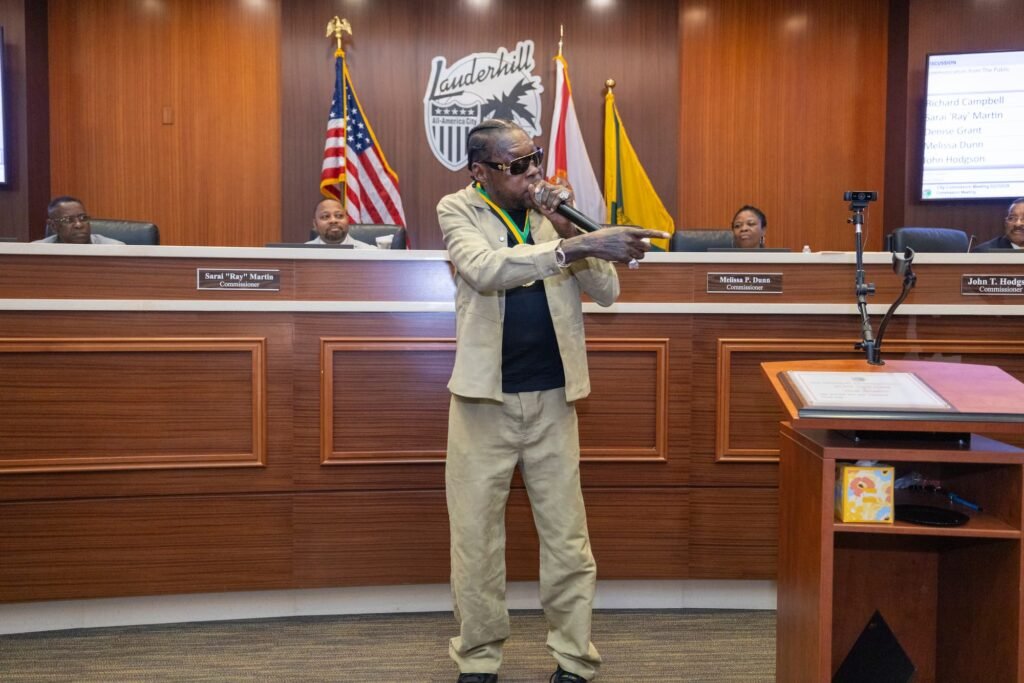
The Lauderhill honours ceremony stands as a celebration of shared history between Jamaica and its diaspora. It acknowledges that Caribbean music helped build cultural bridges across oceans and generations. By awarding proclamations and symbolic keys, civic institutions affirmed that reggae and dancehall artists are not merely entertainers but architects of identity and community.
For Jamaica, the moment reflects national pride extending beyond borders. For the diaspora, it affirms belonging. And for the artists themselves, it marks appreciation earned through decades of creativity, resilience, and cultural leadership.
In honouring these stalwarts, Lauderhill honoured Jamaica’s voice in the world—a voice carried through basslines, lyrics, and rhythm that continue to shape global culture and unite communities across distance.