
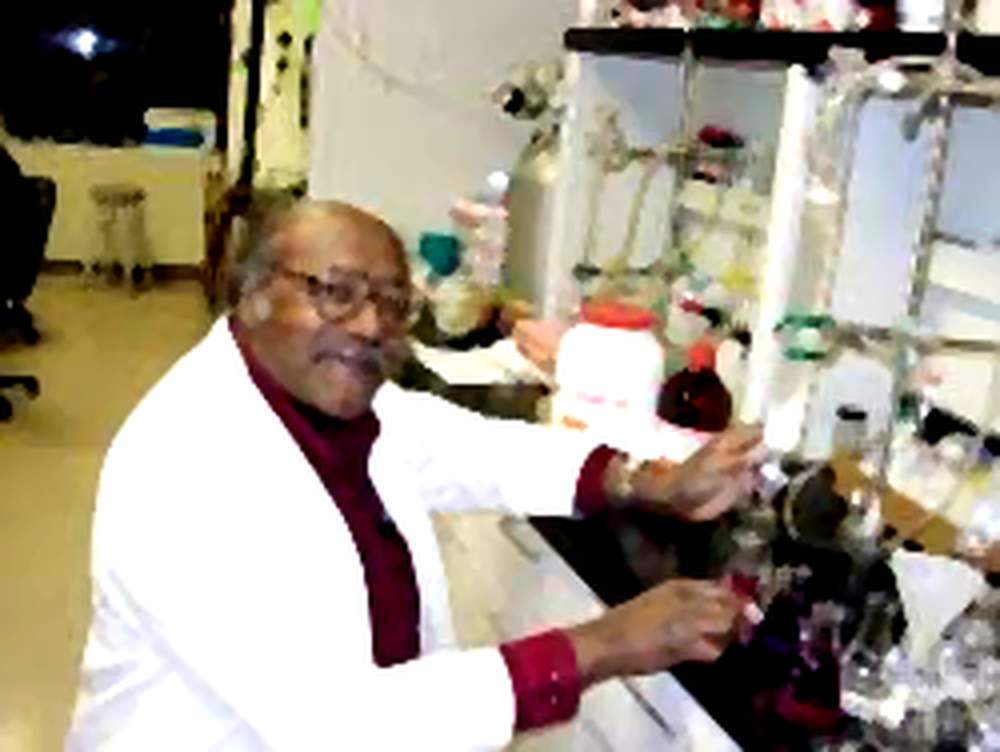
Jamaica has produced many global pioneers, yet few transformed an entire scientific field as profoundly as Bertram Fraser-Reid. Born in Coleyville, Manchester, on February 23, 1934, he rose from rural Jamaican beginnings to become one of the world’s leading synthetic organic chemists, internationally recognised for groundbreaking work on carbohydrates and their biological functions.
His research reshaped how scientists understand complex sugars—molecules once seen mainly as energy sources but now known to play critical roles in immunity, disease, and cellular communication. Through decades of innovation, Fraser-Reid helped establish glycoscience as a central pillar of modern chemistry and biomedical research.
From Rural Jamaica to Global Laboratories
Fraser-Reid’s early life in Manchester unfolded far from advanced laboratories, yet his academic ability quickly became evident. He pursued chemistry studies abroad, eventually earning advanced degrees and entering international research institutions where carbohydrate chemistry was still a developing discipline.
At a time when many scientists focused on simpler organic molecules, Fraser-Reid recognised the profound complexity and biological importance of sugars. These structures, called oligosaccharides, form intricate chains that coat cells and influence immune recognition, infection pathways, and molecular signalling.
Pioneering Carbohydrate Synthesis
One of Fraser-Reid’s greatest achievements was developing new methods to synthesize complex carbohydrates in the laboratory. Natural oligosaccharides are extraordinarily difficult to isolate in pure form, limiting scientific study. By designing chemical routes to build them step by step, he opened the door to precise investigation of their biological roles.
This work proved essential to immunology, vaccine research, and pharmaceutical development. Synthetic carbohydrates created using his strategies allowed scientists to examine how pathogens interact with cells and how immune systems recognise foreign molecules. His contributions therefore extended far beyond chemistry into medicine and biotechnology.
Recognition at the Highest Level
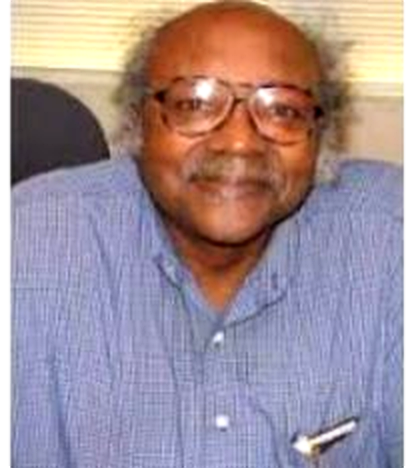
Fraser-Reid’s impact earned international acclaim, including nomination for the Nobel Prize in Chemistry in 1998. Such recognition reflected not only scientific originality but also the transformative scope of his discoveries. He authored influential textbooks and research publications that trained generations of chemists and advanced glycoscience worldwide.
His books, including From Sugar to Splenda and the Glycoscience series, helped define the field’s intellectual foundations, linking carbohydrate chemistry to biological function and industrial application. Through teaching and mentorship, he shaped laboratories across continents.
Scientific Insight with Jamaican Roots
Despite global stature, Fraser-Reid’s identity remained rooted in Jamaica. His journey from rural Manchester to international scientific leadership stands as a powerful example of Caribbean intellectual achievement. He demonstrated that world-changing science can emerge from small communities when talent meets opportunity and determination.
His life also reflects the broader Caribbean tradition of educational mobility—students leaving island origins to influence global scholarship while carrying cultural heritage into academic spaces often lacking diversity.
A Legacy in Modern Medicine and Chemistry
Today, glycoscience sits at the frontier of biomedical research, influencing vaccine design, cancer therapy, and understanding of immune disorders. Much of this progress traces back to the synthetic strategies and conceptual frameworks Fraser-Reid helped pioneer.
Every advance in carbohydrate-based therapeutics, pathogen recognition studies, and molecular immunology carries echoes of his work. His career bridged chemistry and biology long before interdisciplinary science became standard.
Jamaica’s Quiet Nobel-Level Pioneer
Bertram Fraser-Reid passed in 2020, yet his scientific legacy continues to shape laboratories and medical research globally. For Jamaica, his story represents intellectual excellence reaching the highest levels of discovery.
He stands among the nation’s most significant scientific figures—a chemist who decoded the hidden language of sugars and revealed their role in life itself. From Coleyville’s hills to Nobel-level recognition, his journey affirms Jamaica’s enduring contribution to world science.