
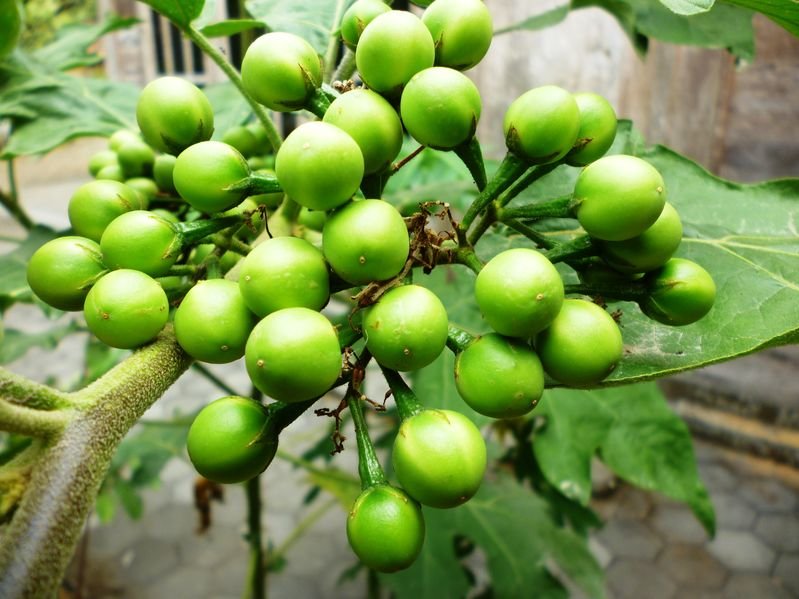
A renewed call is emerging across Jamaica and the wider Caribbean to eat more susumba, the small green berry also known locally as gully bean. Long used in traditional cooking and folk medicine, this hardy plant—scientifically known as Solanum torvum—is being re-recognized for both its nutritional value and agricultural resilience.
Though often overlooked beside larger market crops, susumba carries deep culinary and medicinal roots in Jamaican life. The berries have been cooked for generations with saltfish, mackerel, or yam, bringing a distinctive bitter note prized in traditional dishes. Elders have also valued the plant for remedies linked to blood health, fever, and digestive balance, embedding it firmly within community knowledge.
A Plant with Caribbean and Global Reach
Susumba is native to parts of the Americas and the Caribbean but has spread widely across tropical regions of Africa and Asia, where it is cultivated and consumed in various cuisines. In Thailand it appears in curries, in India it is fried or pickled, and in West Africa it enriches sauces and stews. This global adaptability reflects a plant that thrives in humid, disturbed landscapes, from woodland edges to roadside thickets.
In Jamaica, its ability to grow vigorously with minimal care has earned it the name gully bean, referencing its tendency to flourish in gullies and wild spaces. The shrub can reach several metres in height and produces clusters of small berries that ripen from green to yellow, resembling tiny eggplants.
Nutritional and Medicinal Promise
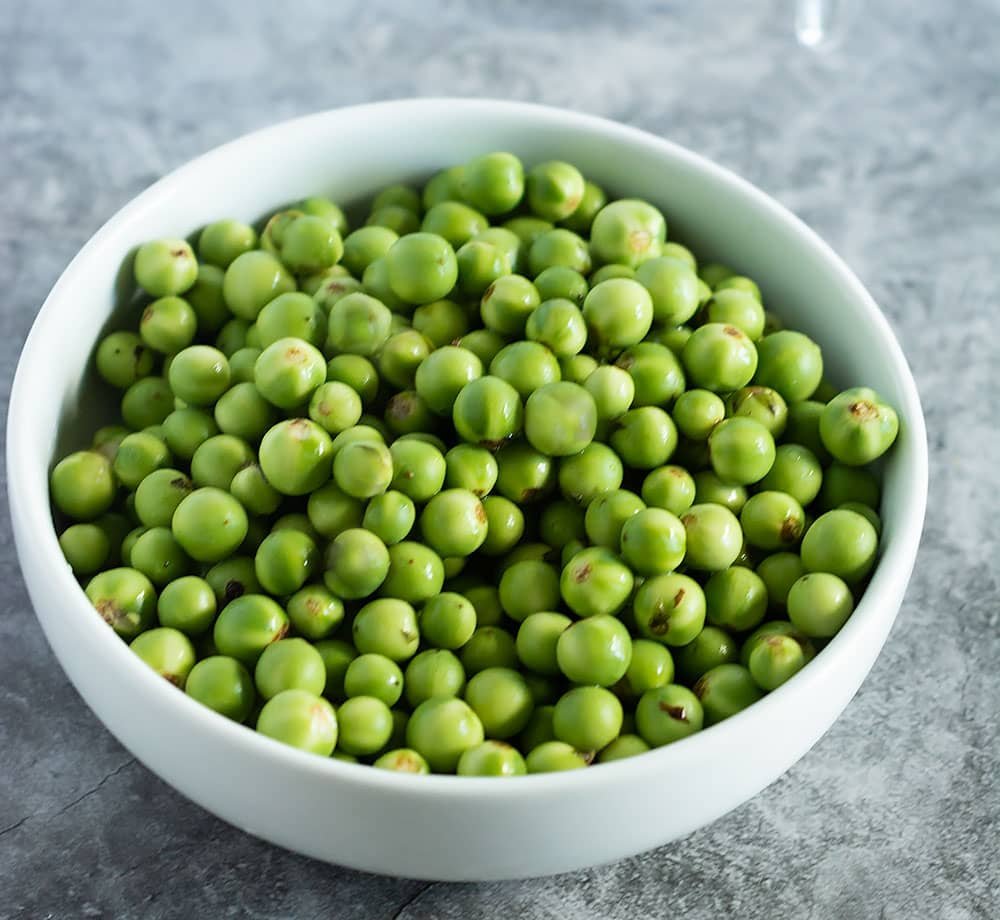
Modern interest in susumba aligns with long-held traditional beliefs. The berries and leaves contain vitamins, minerals, and phytochemicals such as flavonoids and saponins associated with antioxidant, anti-inflammatory, and antimicrobial properties. Folk medicine has used the plant in teas and broths for managing blood pressure, anaemia, and fever, while supporting digestion.
These properties position susumba within a growing global appreciation for indigenous and traditional foods as functional nutrition—plants that nourish while contributing to preventive health.
Agricultural Opportunity and Resilience
Encouraging greater consumption also supports agricultural diversification. Susumba grows easily in tropical climates, tolerates variable soils, and produces repeatedly without intensive inputs. For small farmers and backyard growers, it represents a low-cost crop with both local market potential and emerging interest in herbal products.
Because the plant thrives naturally across Jamaica, promoting its cultivation aligns with sustainable agriculture and food sovereignty. Reviving demand could transform what is often seen as a wild or underutilized plant into a recognized local food resource.
Cultural Memory and Culinary Continuity
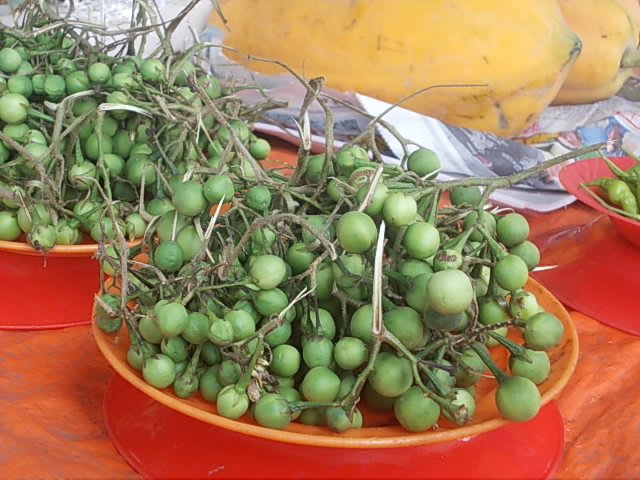
Beyond nutrition and farming, the push to eat more susumba carries cultural meaning. Traditional ingredients risk fading as diets shift toward imported or processed foods. Reintroducing susumba to everyday meals preserves culinary heritage and reconnects younger generations with ancestral food knowledge.
Its distinctive bitter flavour—once central to rural cooking—reflects a broader Caribbean palate that values complexity and balance rather than sweetness alone. Maintaining that taste tradition keeps Jamaican cuisine rooted in its ecological and cultural landscape.
A Small Berry with Big Potential
As global attention turns toward indigenous foods, climate-resilient crops, and plant-based nutrition, susumba stands poised for rediscovery. It embodies the qualities now sought in sustainable diets: hardy growth, medicinal potential, cultural authenticity, and culinary versatility.
The renewed encouragement to eat more gully bean is therefore more than dietary advice. It is an invitation to reclaim a neglected local superfood—one that has quietly nourished Caribbean communities for centuries and may yet play a larger role in Jamaica’s agricultural and nutritional future.