
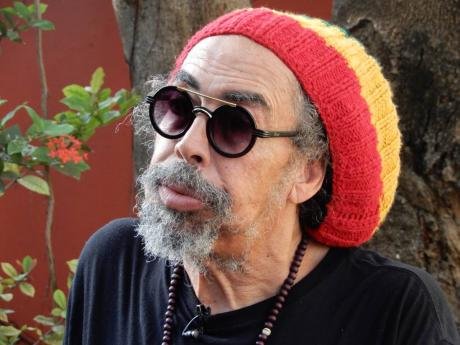
The sudden passing of Stephen Cat Coore on Sunday evening, January 18, 2026, marked one of the most profound losses in modern Jamaican cultural history. At 69 years old, Coore’s death silenced a musical voice that had shaped, refined, and expanded reggae for more than half a century. As co-founder, musical director, guitarist, and pioneering cellist of Third World, he stood among the most influential architects of Jamaica’s post-independence sound.
Stephen “Cat” Coore was not merely a band member or instrumentalist. He was a visionary builder of musical bridges, a rare artist whose work allowed Jamaican music to travel freely across continents while remaining unmistakably rooted in its cultural soil.
A Childhood Steeped in Music and Nationhood
Born in Kingston on April 6, 1956, Coore was raised in an environment shaped by intellect, public service, and cultural discipline. His father, the Honorable David Hilton Coore, was a respected Jamaican scholar and statesman who served as Deputy Prime Minister during the 1970s. His mother, Rita Angela Innis Coore, was Trinidadian and classically trained in music and broadcasting, with studies in Canada and the United Kingdom. She later became one of Jamaica’s most admired music educators.
From a very early age, it was clear that Stephen possessed an unusual musical sensitivity. While piano lessons failed to ignite his interest, his mother noticed his intense reaction to classical recordings, particularly those of the legendary cellist Pablo Casals. Trusting her instincts, she introduced him to the cello, a decision that would define his artistic life.
Under the mentorship of Noel Foster Davis, Coore advanced rapidly. As a child, he performed on prestigious stages, played for Princess Anne at King’s House, and won a silver medal at the Jamaica Festival at just ten years old, competing against much older musicians. These achievements were early signs of a talent that combined technical mastery with emotional depth.
From Classical Prodigy to Reggae Innovator
By the age of twelve, Coore’s musical world expanded beyond classical forms. He fell in love with ska, pop, and the emerging sounds of rocksteady and reggae, alongside global influences such as The Beatles and American rhythm and blues. When he asked his mother for a guitar, she obliged, unknowingly setting in motion one of the most significant musical journeys in Jamaican history.
Coore progressed with astonishing speed. At just thirteen years old, he joined Inner Circle as lead guitarist, becoming one of the youngest professional musicians operating within Jamaica’s competitive music scene. During his four years with the band, he toured extensively across Jamaica and the Caribbean and gained his first international exposure.
In 1971, still a teenager, Coore earned his first commercial recording credit when he played on “Cherry Oh Baby,” the winning song of the Jamaica Festival Song Competition. That recording marked the beginning of a lifelong relationship with Jamaican popular music at the highest level.
The Birth of Third World and a New Musical Language
Despite early success, Coore longed for creative freedom. Alongside his close friend and fellow Inner Circle alumnus Michael “Ibo” Cooper, he envisioned a band that could reflect the full spectrum of Jamaican musical identity while embracing global influences. That vision materialized in 1973 with the formation of Third World.
From the beginning, Third World was different. Coore’s classical training and deep musical knowledge shaped a sound that respected reggae’s rhythmic foundation while expanding its harmonic and melodic range. Soul, funk, pop, rock, jazz, and later disco were not added as gimmicks but woven organically into the music. This approach would later be described as reggae fusion, a genre Third World helped define and popularize internationally.
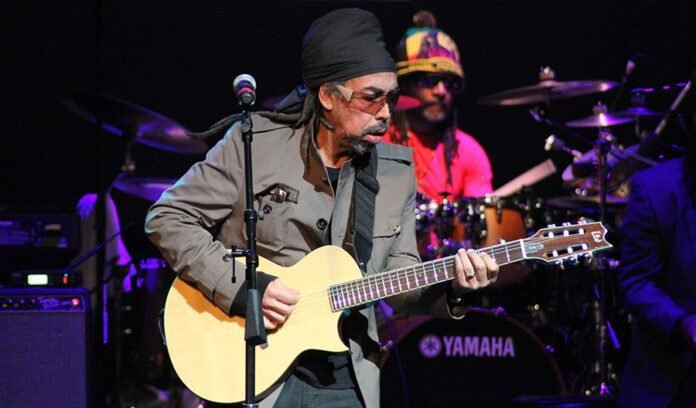
Perhaps Coore’s most revolutionary contribution was the integration of the cello into reggae. In an era when the genre was driven primarily by rhythm section, guitar, organ, and horns, the cello brought an unprecedented depth and emotional resonance. It added gravity, elegance, and a cinematic quality that elevated Third World’s sound beyond conventional reggae arrangements.
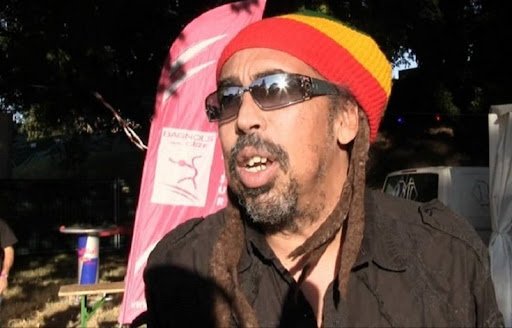
Global Breakthrough and Cultural Impact
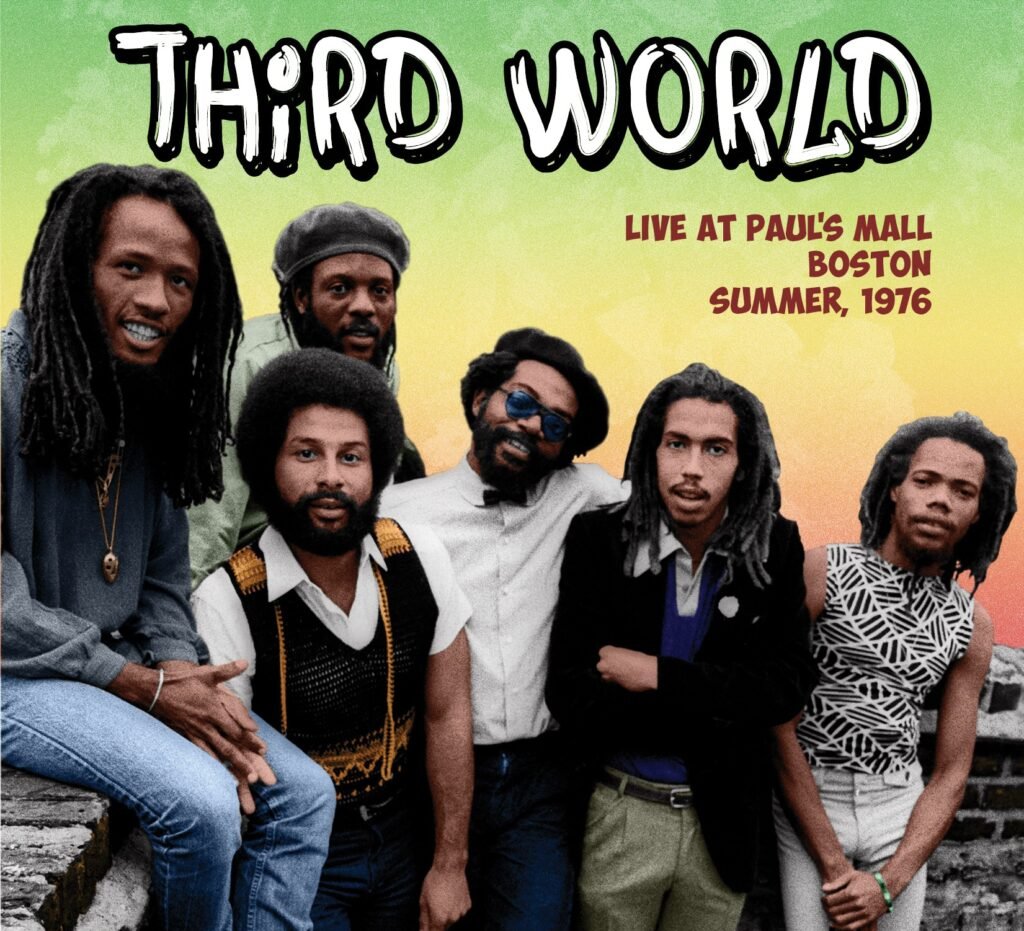
Third World’s rise coincided with reggae’s global expansion in the 1970s. After signing with Island Records, the band released its self-titled debut album in 1976, followed by the landmark 1977 release 96 Degrees in the Shade. The album’s centerpiece, “1865 (96° in the Shade),” referenced the Morant Bay Rebellion, demonstrating Coore’s commitment to embedding Jamaican history and consciousness within accessible, polished music.
International success followed swiftly. In 1978, Third World’s rendition of “Now That We’ve Found Love” became a major hit, reaching the Top 10 in the United Kingdom and earning widespread airplay in Europe and North America. The song proved that reggae could dominate global charts without losing its identity.
Further acclaim came with “Try Jah Love,” written by Stevie Wonder and featured on the band’s 1982 album You’ve Got the Power. The collaboration symbolized Third World’s position as true global interlocutors, Jamaican musicians engaging confidently with the world’s most respected artists while remaining grounded in Caribbean sensibilities.
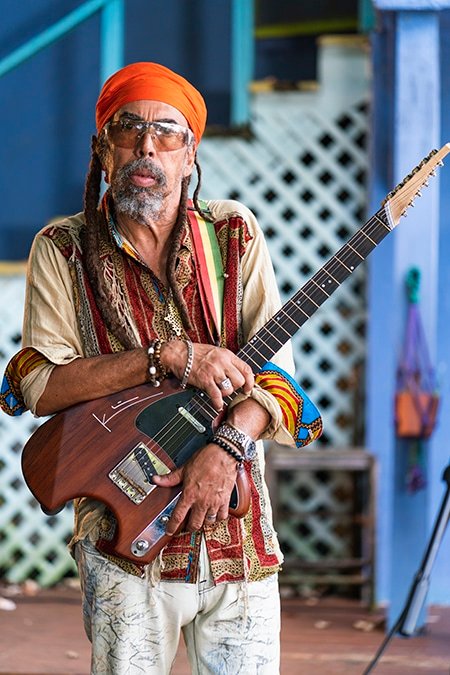
Longevity, Leadership, and Artistic Integrity
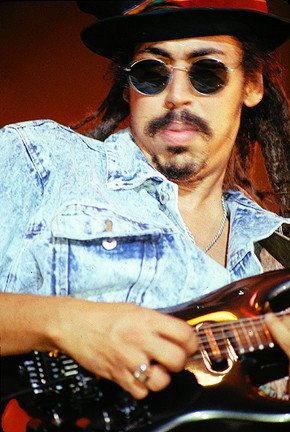
While many bands rise and fade, Third World endured. Over more than fifty years, the group navigated shifting musical trends, industry changes, and lineup evolutions while maintaining relevance and credibility. Throughout this journey, Cat Coore remained a central creative force, guiding the band’s musical direction with discipline and vision.
Under his leadership, Third World earned nine Grammy nominations and continued to tour and record well into the twenty-first century. Even as mainstream tastes shifted, the band resisted becoming a nostalgia act, choosing instead to evolve while honoring its roots.
Coore’s leadership extended beyond performance. He was widely respected as a mentor, musical director, and cultural ambassador whose calm authority and deep knowledge shaped generations of musicians at home and abroad.

National Recognition and Service Beyond Music
In recognition of his extraordinary contribution to Jamaican culture and the creative arts, the Government of Jamaica awarded Coore the Order of Distinction in 2005. The honor affirmed his role not simply as an entertainer but as a steward of national identity and cultural diplomacy.
Beyond music, Coore dedicated himself to philanthropy and advocacy. He served as an ambassador for the Alligator Head Foundation in Port Antonio and as a goodwill ambassador for the Issa Trust Foundation, supporting initiatives focused on environmental protection, healthcare, and community development. These commitments reflected the same values that guided his music: upliftment, responsibility, and pride in Jamaica.
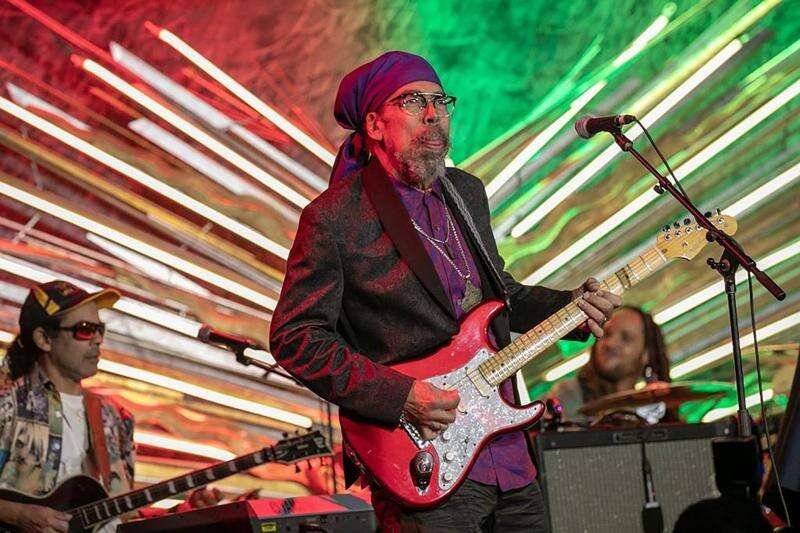
A Life Remembered, A Legacy Secured
Stephen “Cat” Coore is survived by his wife Lisa, his children Shiah, Kanna, Stephen, and Ashley, his grandchildren, and an extended family of bandmates, collaborators, and admirers across the globe.
His death marks the end of a singular era, but not the end of his influence. Through Third World’s vast catalog, through the musicians he inspired, and through the sound he helped define, Cat Coore’s presence will continue to resonate.
He proved that reggae could be sophisticated without becoming distant, global without becoming diluted, and innovative without abandoning its roots. In doing so, he helped Jamaica’s music speak fluently to the world.
Stephen “Cat” Coore did not simply play reggae. He expanded its language, deepened its soul, and carried it, string by string, onto the world stage.