
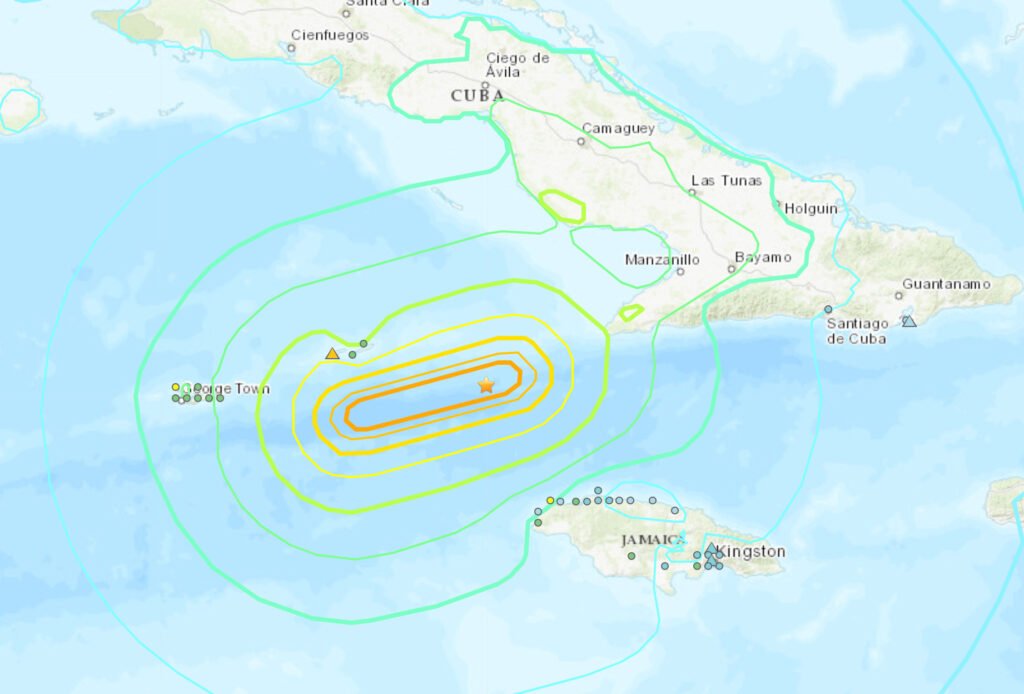
A Stark Reminder of the Island’s Ongoing Seismic Risk
Thirty-three years ago today, on January 13, 1993, Jamaica was shaken by a 5.4 magnitude earthquake, one of the most significant seismic events to strike the island since the devastating 1957 earthquake. Though moderate in magnitude by global standards, the quake had serious consequences, underscoring Jamaica’s vulnerability as a seismically active island.
The 1993 Earthquake and Its Impact
The 1993 earthquake caused widespread damage to buildings and infrastructure, particularly older structures that were not designed to withstand seismic activity. Cracks appeared in homes, schools, and commercial buildings, while roads and utilities were also affected.
The human toll, though limited compared to larger global disasters, was deeply felt. Two lives were lost, and 518 people were displaced, forced to leave damaged or unsafe homes. The economic cost was estimated at J$200 million, a substantial loss at the time, placing strain on families, businesses, and national recovery efforts.
Why the Earthquake Mattered
What made the 1993 event especially significant was not just the damage, but what it revealed. It served as a reminder that Jamaica sits along active fault lines linked to the boundary between the Caribbean and North American tectonic plates. Earthquakes in Jamaica are not rare anomalies, but recurring natural hazards.
For many Jamaicans, the quake was a wake-up call about building safety, disaster preparedness, and the need for stronger enforcement of construction standards.
Echoes in 2023
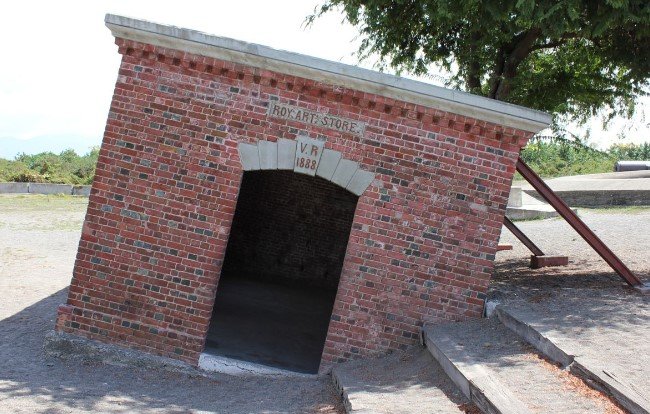
That reminder returned on October 30, 2023, when another 5.4 magnitude earthquake struck Jamaica. While damage was limited and loss of life avoided, the similarity in strength between the two events highlighted a critical reality: seismic risk remains constant, even when decades pass between major tremors.
These earthquakes demonstrate that time does not reduce risk. Instead, preparedness, education, and resilient infrastructure are the only real safeguards.
Living With Earthquake Risk
Jamaica experiences regular seismic activity, most of it minor, but capable of escalating without warning. Each noticeable quake reinforces the importance of disaster readiness at every level, from household emergency plans to national building codes.
Engineers, emergency responders, and disaster agencies continue to stress the need for earthquake-resistant construction, public awareness drills, and updated response strategies, especially in densely populated areas.
A Lesson That Endures
The 1993 earthquake, remembered 33 years later, is more than a historical event. It is part of a continuing story about life on a beautiful but geologically active island. The 2023 quake proved that the threat has not faded, only paused.
As Jamaica reflects on past tremors, the lesson remains clear: earthquakes are not a question of if, but when. Remembering events like January 13, 1993 is essential, not to create fear, but to strengthen resilience and ensure that when the ground shakes again, the island is better prepared.