
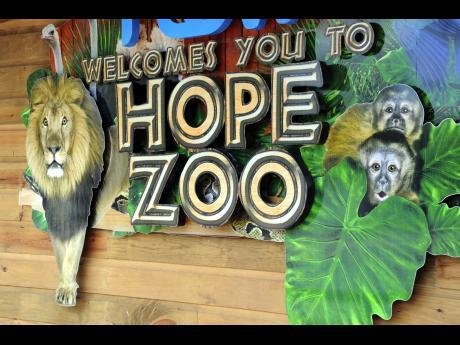
Amid a growing outbreak of leptospirosis in Jamaica, officials at Hope Zoo are drawing attention to an often misunderstood but vital ally in disease control: owls. As public health authorities urge vigilance, the zoo’s curatorial team is reminding Jamaicans that wildlife plays a crucial role in maintaining the environmental conditions that prevent diseases from spreading.
Understanding Leptospirosis and Its Spread
Leptospirosis is a bacterial disease commonly transmitted through water or soil contaminated with the urine of infected animals, especially rodents. Humans can become infected through broken skin or mucous membranes, particularly during periods of heavy rainfall and flooding. Outbreaks often surge after storms, when rodent populations are displaced and contaminated water becomes widespread.
In Jamaica, leptospirosis has long been associated with increased rodent activity, making pest control a crucial component of prevention.
The Owl’s Role in Rodent Control
Owls are natural predators of rodents, including rats and mice, which are the primary carriers of leptospirosis. A single owl can consume dozens of rodents in a short period, significantly reducing rodent populations in both urban and rural areas. By controlling these populations naturally, owls help lower the risk of disease transmission without the need for chemical poisons.
Zoo officials emphasize that owls are part of a balanced ecosystem. Removing or harming them can unintentionally lead to rodent population spikes, increasing public health risks rather than reducing them.
Dispelling Myths and Fear
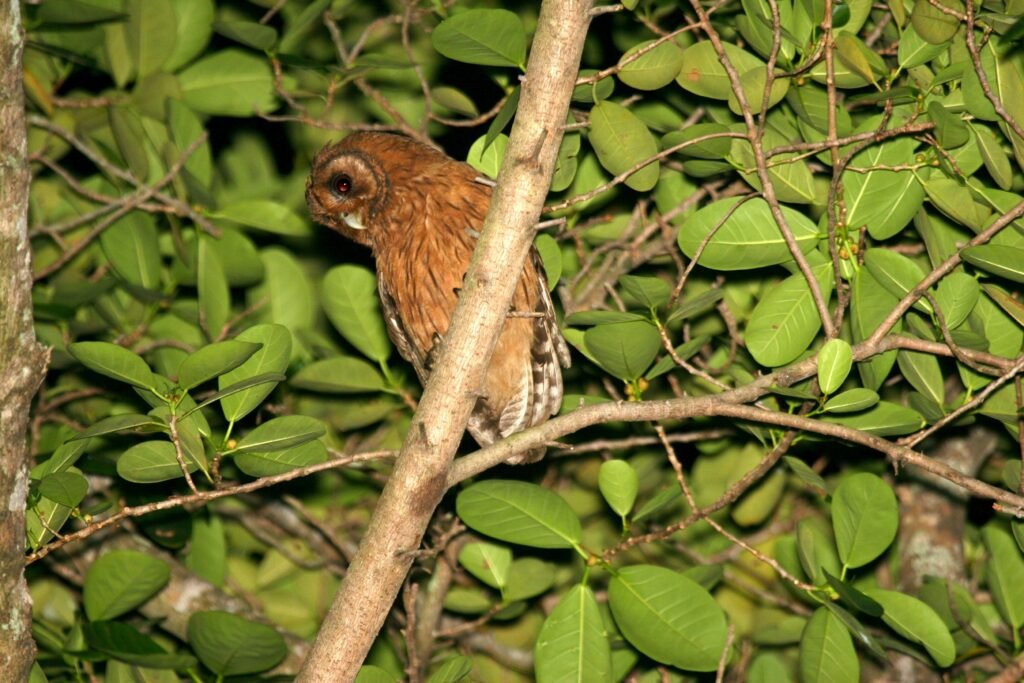
In Jamaican folklore, owls have often been misunderstood, sometimes associated with superstition or fear. Hope Zoo’s curators are using this moment to educate the public, stressing that owls are not dangerous to humans and are, in fact, beneficial.
Killing or disturbing owls disrupts the natural checks and balances that help keep rodent numbers under control. Education, officials say, is key to shifting perceptions and encouraging coexistence.
Conservation Meets Public Health
Hope Zoo’s message bridges wildlife conservation and human health. Protecting owls is not only about preserving biodiversity, but also about supporting natural disease prevention. In times of outbreak, ecological allies like owls become even more important.
Zoo representatives have encouraged communities to protect owl habitats, avoid poisoning rodents in ways that can harm predators, and report injured wildlife to proper authorities.
A Broader Lesson
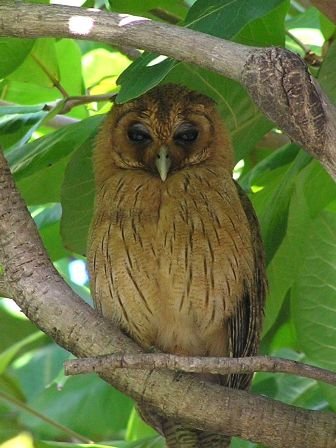
The current leptospirosis outbreak highlights how closely human health is tied to environmental health. Owls, often silent and unseen, play a powerful role in reducing the very conditions that allow diseases to thrive.
As Jamaica responds to the outbreak, Hope Zoo’s message is clear: safeguarding wildlife is not separate from safeguarding people. By respecting and protecting owls, Jamaicans are also supporting a natural line of defense in the fight against leptospirosis.