
Boxing Day: From Victorian Charity to Caribbean Celebration
A deep history behind December 26 — and why it still matters in Jamaica and the Caribbean
You cannot truly have Christmas without Boxing Day. Across Jamaica and much of the Caribbean, December 26 is a day of beaches, family visits, music, cultural performances, and well-earned rest after the intensity of Christmas Day. Yet behind the relaxed, celebratory atmosphere lies a long, layered history shaped by religion, class, colonialism, survival, and cultural resistance.
Despite the name, Boxing Day has nothing to do with the sport of boxing. Its origins stretch back centuries, rooted in Victorian England and medieval Christian traditions — before crossing the Atlantic and taking on a uniquely Caribbean life of its own.
Where the Name “Boxing Day” Really Comes From
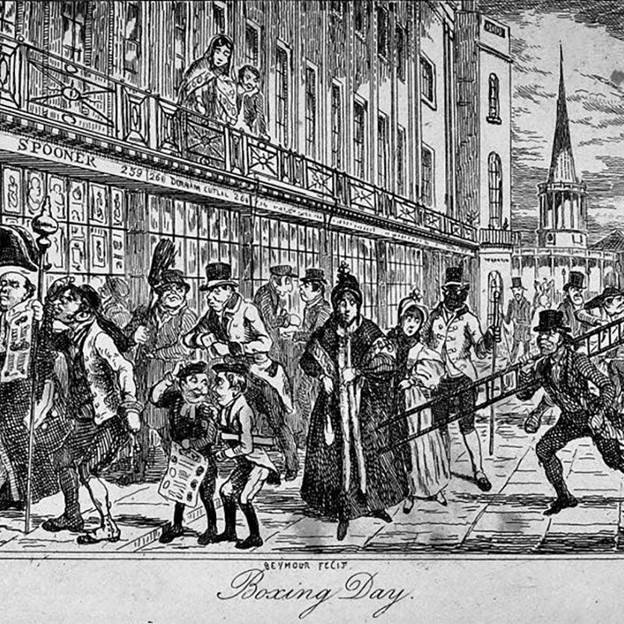
The most widely accepted origin of Boxing Day dates to Victorian Britain, during the reign of Queen Victoria. In wealthy households, servants were required to work on Christmas Day itself, ensuring that their employers’ celebrations ran smoothly. Hence, they didn’t get that day off.
As a gesture of appreciation, servants were traditionally given December 26 off, along with a “Christmas box” — a literal box containing money, food, clothing, or small gifts. These boxes were often taken home and shared with their own families. Some accounts have shown that it’s leftovers that were given to the slaves.
The practice extended beyond domestic servants. Postmen, handymen, tradespeople, and other workers who provided services throughout the year also expected a Christmas box as a thank-you from households they served. Over time, Boxing Day became shorthand for the day these boxes were given.
The Church, Charity, and Saint Stephen
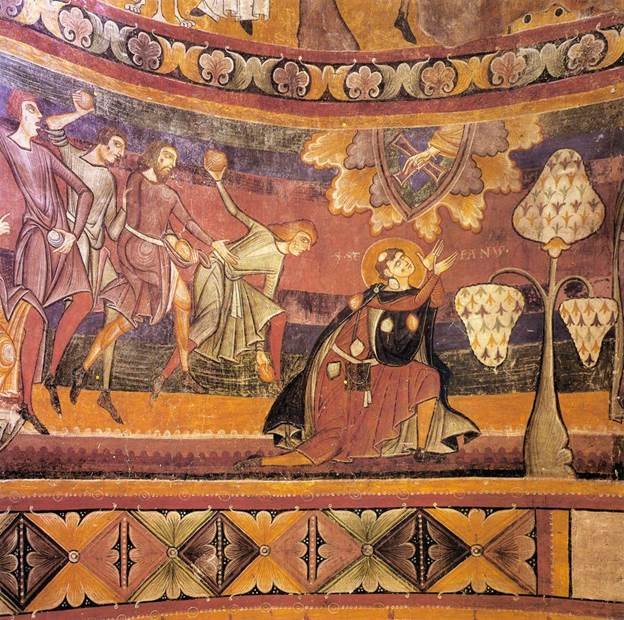
Boxing Day also carries deep religious significance. December 26 is celebrated in many Christian traditions as Saint Stephen’s Day, honoring Saint Stephen — the first Christian martyr, remembered especially for his acts of charity toward the poor.
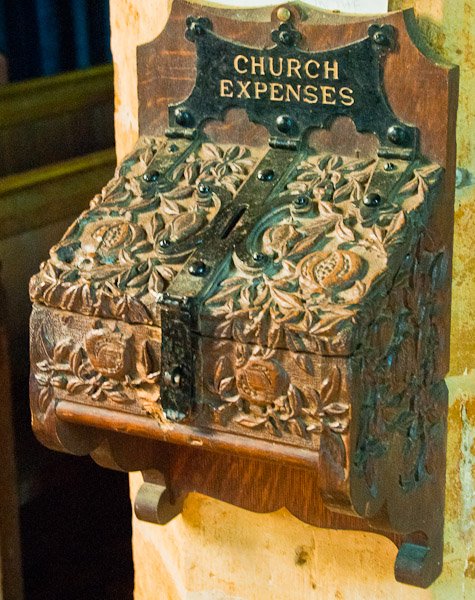
In medieval Europe, churches collected alms from worshippers throughout the year. These donations were stored in collection boxes, which were traditionally opened at Christmas. The contents were then distributed to the needy on December 26. This practice reinforced the association between the day, charitable giving, and literal boxes — strengthening the name Boxing Day.
To this day, December 26 is observed as Saint Stephen’s Day in Ireland and parts of Europe, and as a second Christmas Day in countries such as Germany, Hungary, Poland, and the Netherlands.
When Is Boxing Day?
Boxing Day is always observed on December 26, the day after Christmas Day.
In the United Kingdom and many Commonwealth countries, it is a public holiday. When December 26 falls on a weekend, the public holiday is shifted to the following weekday.
From Britain to the Caribbean: A Changed Meaning
When Boxing Day arrived in the Caribbean through British colonial rule, it took on a far more complex and powerful meaning.
For enslaved Africans in the British West Indies, Christmas — and particularly December 26 — was sometimes one of the only periods of relative rest granted during the year. While conditions varied by colony and plantation, Boxing Day often became a rare moment of reprieve, cultural expression, and community gathering.
What emerged was not simply a continuation of British custom, but a transformation of it.
Afro-Caribbean Resistance, Survival, and Celebration
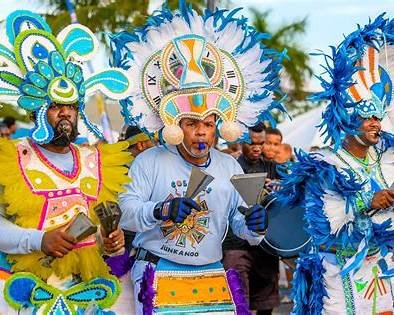
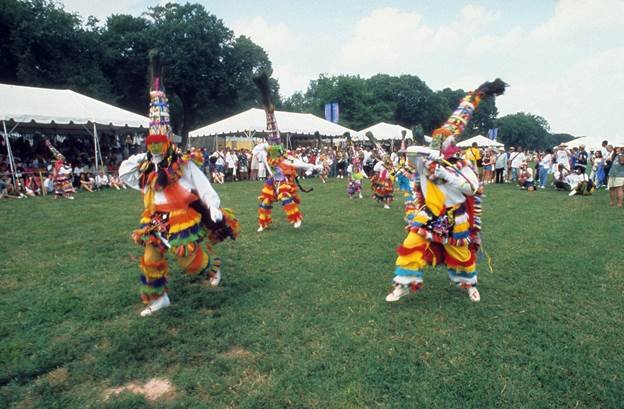
Across the Caribbean, Boxing Day evolved into a space where African traditions survived and flourished — sometimes openly, sometimes in coded forms.
The Bahamas – Junkanoo
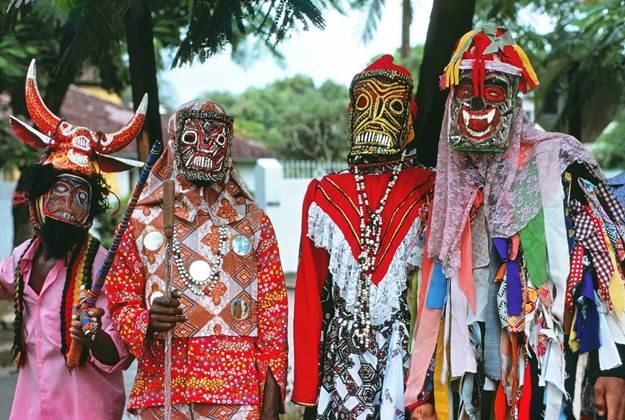
In The Bahamas, Boxing Day became synonymous with Junkanoo, a vibrant street carnival featuring elaborate costumes, drumming, whistles, cowbells, and rhythmic movement.
Historical accounts suggest enslaved people were sometimes given leftover food in wooden boxes on December 26 — but the day also became one where African music, identity, and joy erupted into public space. Today, Junkanoo is one of the most important cultural expressions in The Bahamas, extending from Boxing Day into the New Year.
Bermuda – Gombey
In Bermuda, Boxing Day belongs to the Gombey dancers — masked performers whose traditions reflect African, West Indian, Native American, and British influences. The word Gombey is believed to derive from an African term associated with rhythm or drumming.
The Bermudian Gombey tradition was formally recognized as a distinct cultural art form at a UNESCO Cultural and Conservation Conference in 1970.
Belize – Garifuna Jankunu
In Belize, Garifuna communities observe the Habinahan Wanaragua Jankunu Festival, also known as the John Canoe festival. Held during the Christmas season, including Boxing Day, it features masked dancers, drumming, and processions through towns such as Dangriga, reinforcing cultural memory and identity.
Turks and Caicos – Maskanoo
In Turks and Caicos, Maskanoo is held on Boxing Day. Rooted in African masquerade traditions blended with colonial-era costume balls, Maskanoo reflects the history of salt-raking communities and African survival across generations.
Jamaica: Jonkonnu, Pantomime, and Family
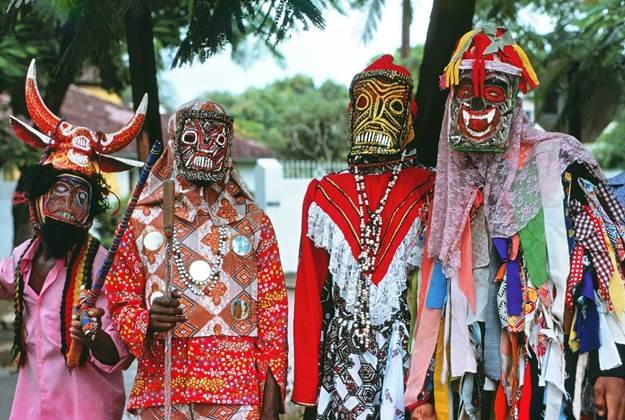
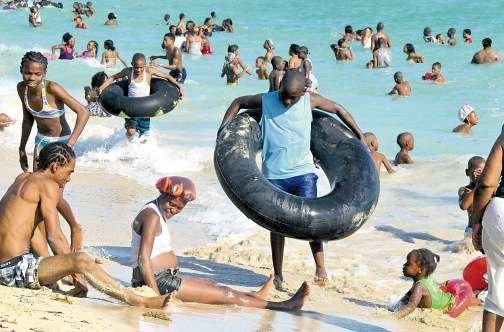
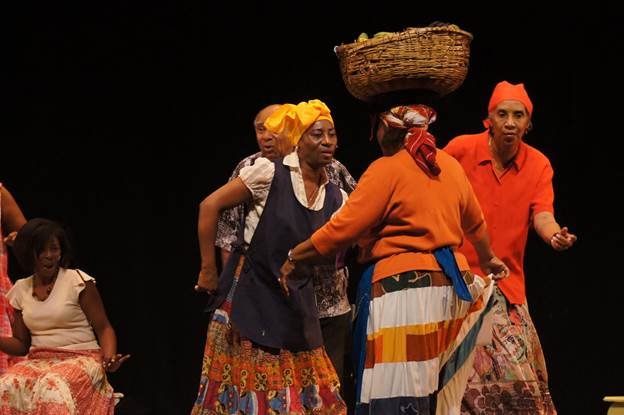
In Jamaica, Boxing Day is deeply woven into the cultural fabric.
Historically, Jonkonnu (also spelled Junkanoo or Jonkunnu) — locally called muskorate — featured masqueraders moving through towns and villages during the Christmas season. The tradition blends African spiritual elements, satire, costume, music, and dance, offering both celebration and subtle social commentary.
In more recent decades, Boxing Day has also become strongly associated with the annual Jamaican Pantomime, which traditionally opens on December 26. Introduced during the colonial period, pantomime evolved into a uniquely Jamaican theatrical form, rich with humor, music, folklore, and social critique. For many families, attending Pantomime is as much a part of Christmas as the food itself.
Beyond formal events, Boxing Day in Jamaica is widely understood as:
- A continuation of Christmas celebrations
- A day for visiting extended family
- A time for beaches, concerts, dances, and community gatherings
- A pause before the return to work and school
As cultural commentators and historians have often noted, Boxing Day may not carry the solemn symbolism of Independence Day or Good Friday — yet its emotional importance lies in togetherness, release, and cultural continuity.
Food, Football, and Leftovers
In Britain, Boxing Day also became associated with leisure and sport. While football matches were once played on Christmas Day, shifting attitudes in the mid-20th century ended that practice. By 1957, Christmas Day football disappeared, leaving Boxing Day as the iconic fixture in the UK football calendar.
And then there are the leftovers — a tradition shared across cultures. Turkey sandwiches, curries, pies, and reheated feasts have become a defining (and much-loved) part of Boxing Day, reinforcing its reputation as a slower, indulgent day after Christmas intensity.
Why Boxing Day Still Matters
Boxing Day endures because it speaks to something universal:
- Recognition of labor
- The importance of rest
- Care for the less fortunate
- The need for cultural expression
In the Caribbean — and especially in Jamaica — the day stands as a reminder of resilience. What began as a colonial custom tied to hierarchy was reshaped into a space of freedom, creativity, and survival. Today, whether through masquerade, music, theatre, or a simple family lime, Boxing Day remains a living tradition.
It is more than just an extra holiday.
It is history, memory, and culture — carried forward, year after year.
Destination Jamaica celebrates Boxing Day not only as a moment of relaxation, but as a powerful chapter in the island’s cultural story — one that continues to unfold every December 26.