
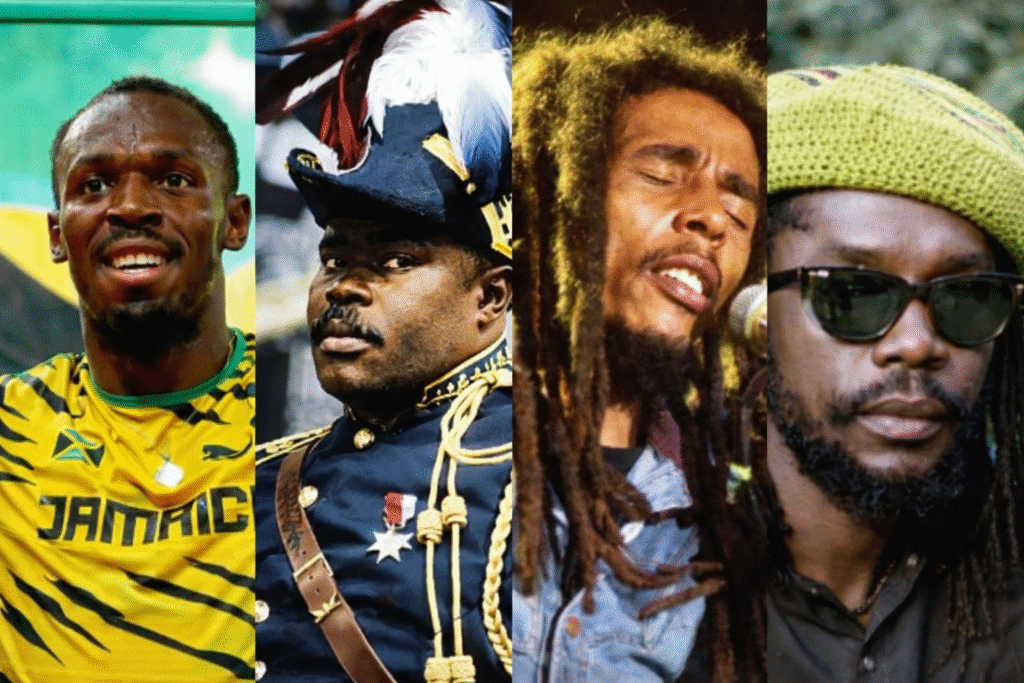
Across centuries and continents, Jamaica has produced figures whose influence far exceeds the island’s size. From political liberation and spiritual awakening to cultural revolution and athletic dominance, a small Caribbean nation has repeatedly reshaped global conversations. The recognition of Usain Bolt, Marcus Garvey, Bob Marley, and Peter Tosh among the most influential Black figures in history is not symbolic—it reflects measurable, enduring impact across politics, culture, music, identity, and human possibility.
Marcus Garvey: The Architecture of Black Consciousness
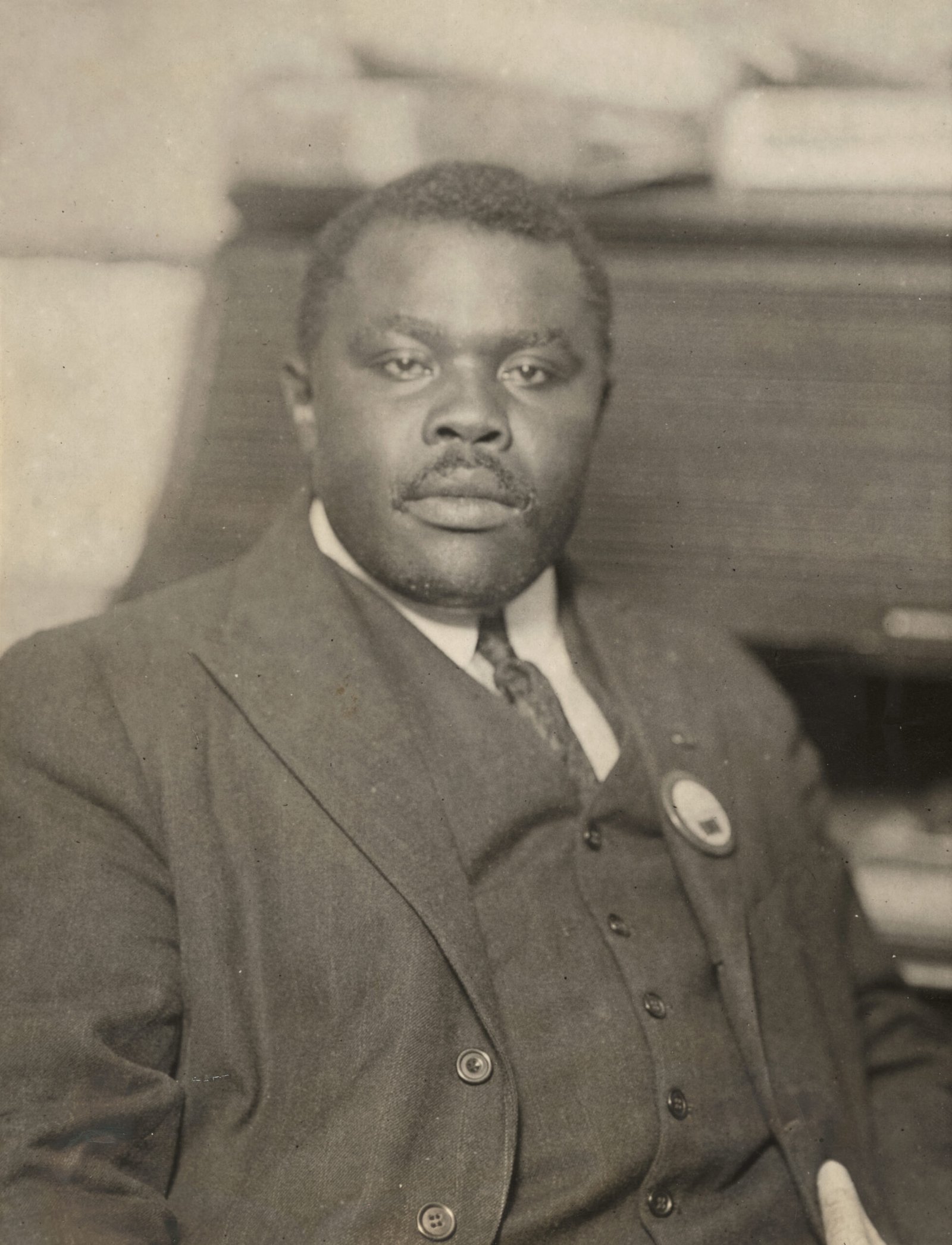
Long before globalization became a buzzword, Marcus Garvey was building a worldwide movement. Born in St. Ann, Jamaica, Garvey emerged in the early 20th century as one of the most powerful advocates for Black self-determination. Through the Universal Negro Improvement Association, he articulated ideas of economic independence, cultural pride, and political sovereignty for people of African descent across the Americas, Europe, and Africa.
Garvey’s message reshaped how Black identity was understood globally. His call for unity and dignity laid intellectual groundwork that later influenced civil rights leaders, anti-colonial movements, and Pan-African governments. Even critics acknowledge that many modern discussions around Black empowerment, reparations, and African diaspora unity trace back to Garvey’s vision. His legacy is not confined to speeches or slogans—it lives on in institutions, ideologies, and global movements.
Bob Marley: Music as a Moral Force
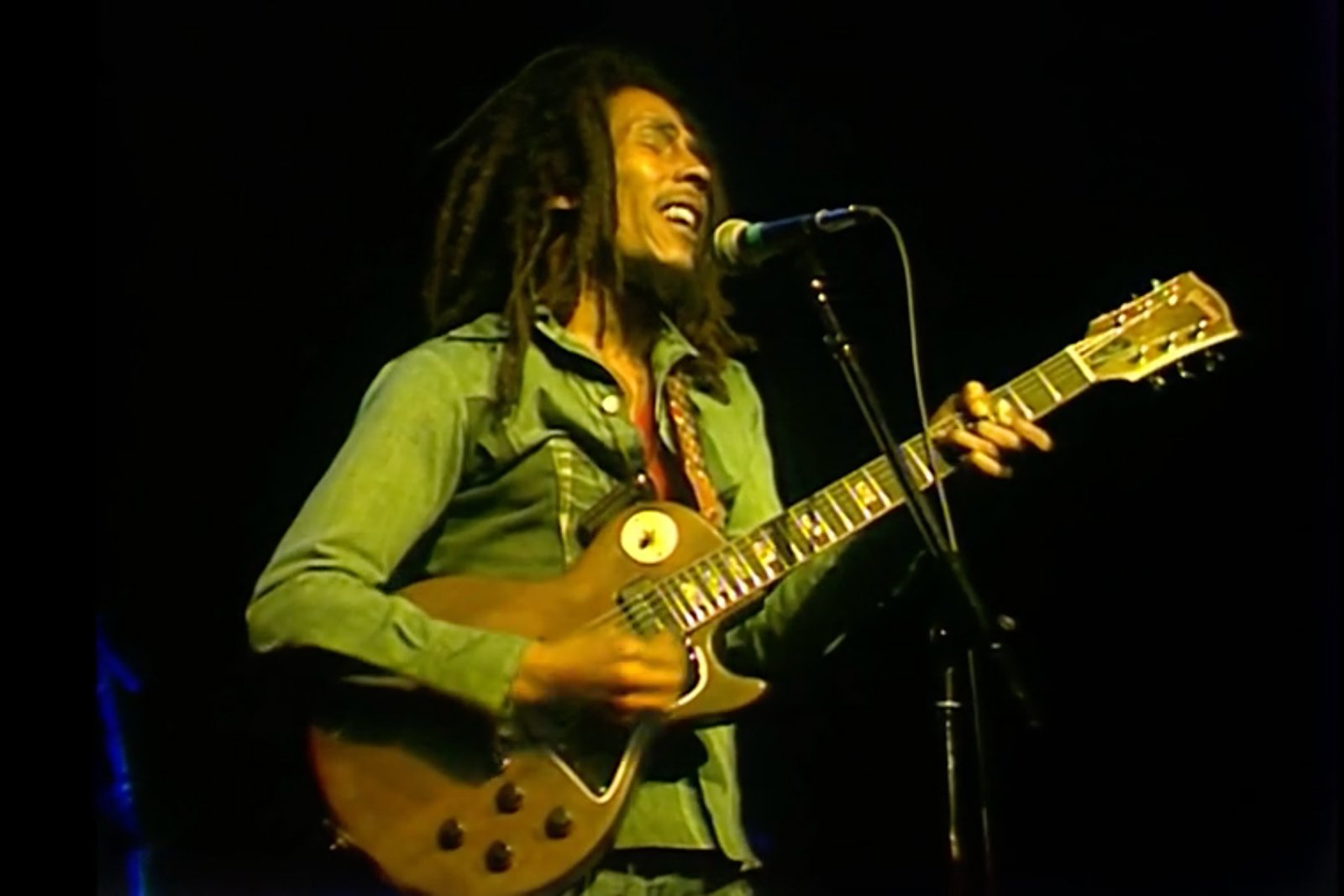
Bob Marley transformed reggae from a regional sound into a global language of resistance, love, and liberation. Rooted in Jamaican realities—poverty, inequality, spirituality—his music spoke to universal human struggles. Songs like Redemption Song, Get Up, Stand Up, and One Love crossed borders, races, and generations, becoming anthems for peace movements, anti-apartheid campaigns, and social justice causes worldwide.
Marley’s influence extended beyond charts and concerts. He introduced Rastafarian philosophy to a global audience, reshaping conversations about faith, Africa, and identity. Few artists in history have fused music and message so seamlessly that their work becomes part of political discourse, cultural memory, and collective conscience. Marley did not simply entertain the world—he helped awaken it.
Peter Tosh: The Fearless Voice of Truth
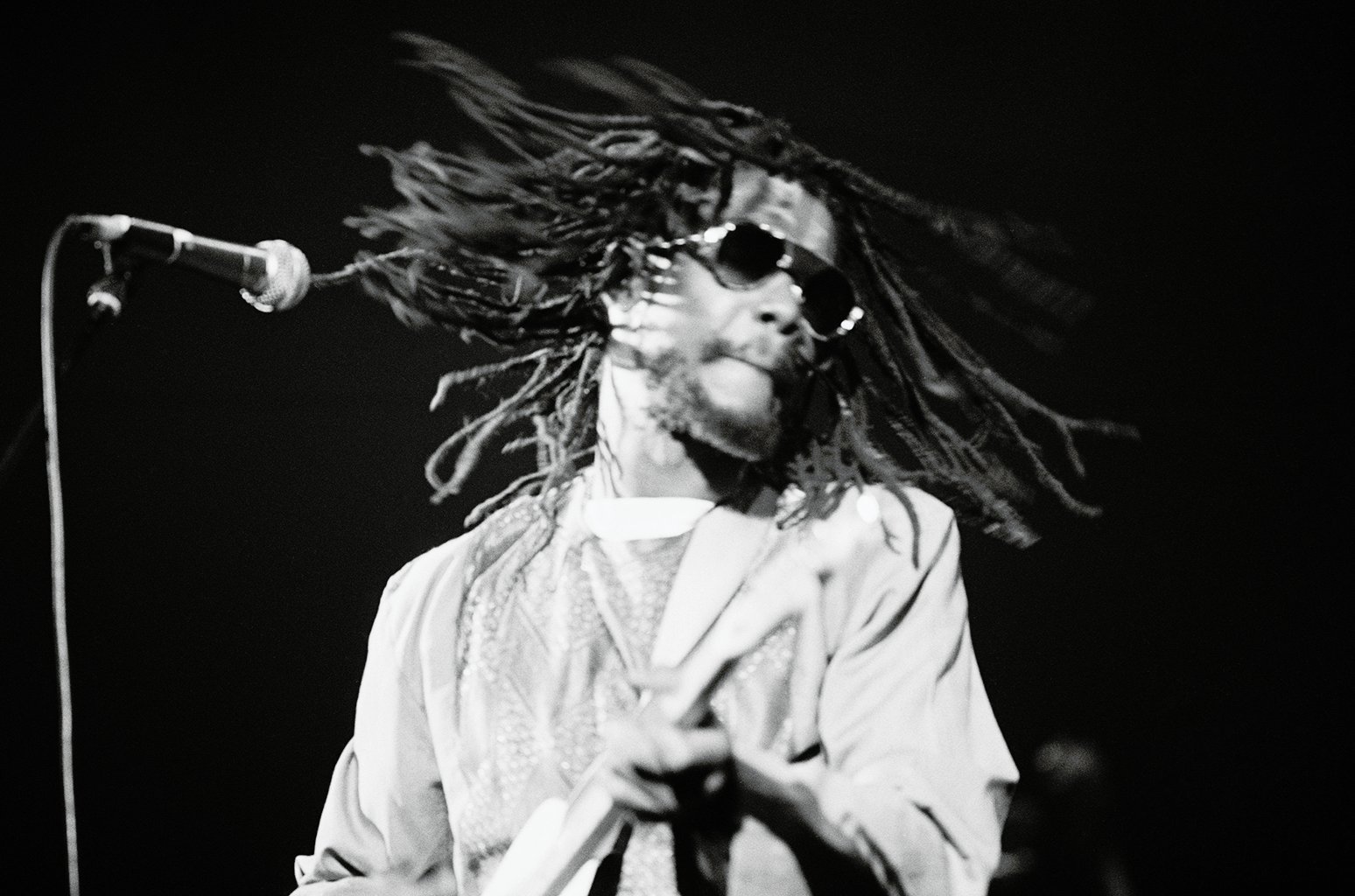
Where Marley often reached hearts through melody, Peter Tosh confronted power directly. As a founding member of The Wailers and later as a solo artist, Tosh was uncompromising in his advocacy for human rights, African liberation, and social justice. He spoke openly about police brutality, political oppression, and the criminalization of marginalized communities long before these conversations became mainstream.
Tosh’s music challenged listeners to think critically and act courageously. His boldness made him controversial, but it also cemented his role as one of reggae’s most principled voices. Today, his work resonates strongly in global movements calling for justice, equality, and reform. Tosh represents the tradition of Jamaican truth-telling—art that refuses to be silent.
Usain Bolt: Redefining Human Limits

In the realm of sport, Usain Bolt did more than win races—he redefined what the human body could achieve. Holding world records in the 100m and 200m, Bolt’s dominance on the global stage reshaped athletics and elevated Jamaica into a sprinting superpower. His performances were not just victories; they were cultural moments watched by billions.
Bolt’s influence extends beyond medals. He changed how athletes market themselves, blending excellence with personality, confidence, and joy. For young people across the world—especially in small or underrepresented nations—Bolt became proof that greatness is not limited by geography. His legacy is one of inspiration, national pride, and the global reach of Jamaican excellence.
A Shared Legacy Beyond Individual Fields
What unites Garvey, Marley, Tosh, and Bolt is not fame alone, but transformation. Each, in their own era and discipline, altered global thinking—about race, identity, freedom, resistance, and human potential. Their influence did not fade with trends or time; it deepened.
Jamaica’s contribution to world history is not accidental. It is rooted in a culture forged by struggle, creativity, and resilience. These four figures represent different expressions of the same national spirit: bold, unapologetic, and world-shaping.
In recognizing them among history’s most influential Black figures, the world is acknowledging a truth Jamaicans have long known—from politics to music to sport, Jamaica does not just participate in global history. It helps write it.