
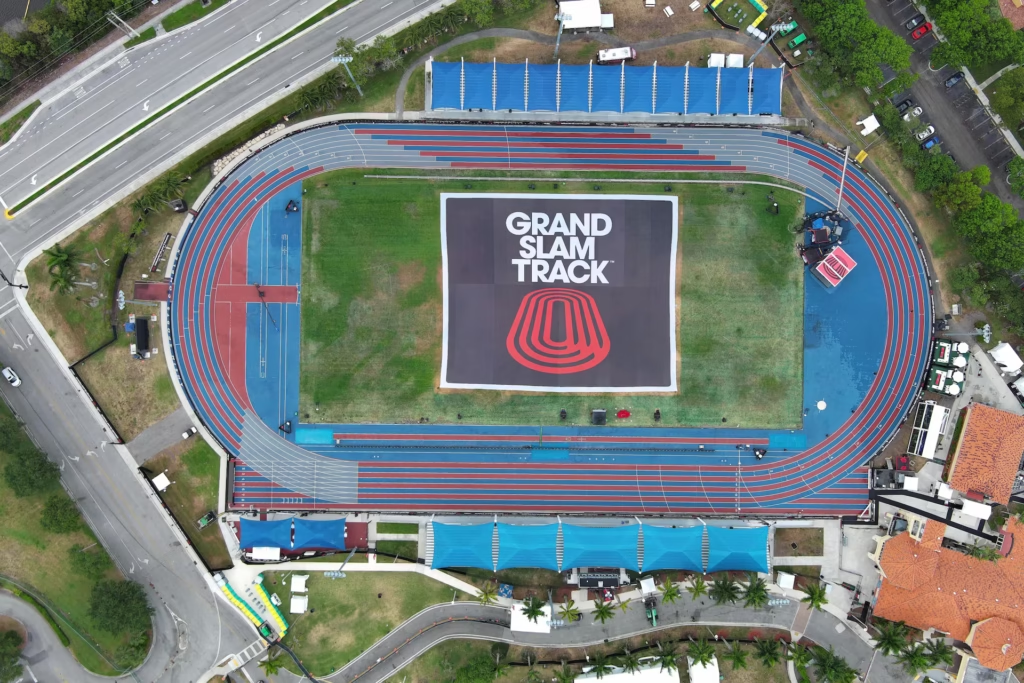
When Michael Johnson introduced Grand Slam Track (GST), it was promoted as a revolutionary moment for global athletics. The plan featured a four-meet international league, a record-setting 12.6 million-dollar prize pool, guaranteed athlete salaries, and major American broadcasting partnerships. For a sport long criticized for its fragmented structure and limited earning opportunities, GST looked like the future.
Less than a full season later, the league has filed for Chapter 11 bankruptcy. Millions of dollars remain unpaid to athletes, vendors, and business partners. The downfall of GST is a dramatic case study in visionary ambition colliding with financial uncertainty and the harsh realities of launching a professional sports league from scratch.
A Grand Idea: The Vision Behind the League

GST launched in 2024 with funding support from Winners Alliance, the commercial arm of the Professional Tennis Players Association led by billionaire Bill Ackman. The concept was modeled after the Grand Slam system in tennis, aiming to create four marquee meets each year that would elevate track and field to a new professional standard.
The inaugural 2025 season was scheduled for Kingston, Miami, Philadelphia, and Los Angeles. The roster included 48 contracted athletes known as Racers, who were guaranteed base pay and required to compete at every meet. Another 48 athletes, called Challengers, would rotate in and out. With prize payouts far exceeding those of the Diamond League and broadcast deals with Peacock and The CW, GST appeared poised to inject new energy into the sport.
Leadership also repeatedly stated that more than 30 million dollars in investor funding had been secured. For athletes accustomed to inconsistent sponsorships and modest prize structures, GST seemed like a long-awaited professional breakthrough.
A Troubled Debut: Empty Stands and High Costs

The first meet was held in Kingston from April 4 to 6. While the event delivered strong athletic performances and professional-quality broadcast production, attendance was disappointingly low. Reports described large empty sections in the stadium, prompting organizers to distribute free tickets to create a more presentable atmosphere.
GST had positioned itself as an American-market product, yet its debut took place thousands of miles away from its intended core audience. Without household Jamaican icons like Usain Bolt or Shelly-Ann Fraser-Pryce in the lineup, the event struggled to attract casual local fans.
Subsequent meets proceeded with mixed success. Miami hosted the second event in early May. The third meet in Philadelphia, originally planned as a three-day competition, was shortened to two days in response to logistical challenges. The highly anticipated Los Angeles finale, scheduled for June at UCLA’s Drake Stadium, was canceled outright. Official statements blamed global economic conditions, but behind the scenes, financial trouble had become impossible to ignore.
At the same time, GST’s operating costs were enormous. Venue fees, travel expenses, salaries, appearance fees, and a prize structure that awarded six-figure sums to event winners created a financial load that the league simply could not sustain without consistent investor backing and strong revenue streams.
The Investor Exit That Triggered a Crisis

The turning point came just weeks into the season. Michael Johnson later confirmed that a major investor withdrew after the Kingston meet. This sudden exit created what he called a major cash flow crisis.
Further reporting identified the investor as Todd Boehly, owner of Chelsea Football Club. He had reportedly signed a term sheet committing 40 million dollars but ultimately walked away. This revelation also exposed that GST never actually possessed the 30 million dollars in funding it had long promoted. Much of that total consisted of anticipated commitments rather than money in the bank.
With obligations sized for a fully funded league, the sudden loss of capital left GST scrambling to cover basic operational costs and athlete payments. Despite initial denials, it soon became apparent that financial instability—not strategic restructuring—was behind the cancellation of the Los Angeles meet.
Emergency Funds, Partial Payments, and Soaring Debt

Throughout the summer and fall, GST tried desperately to avoid collapse. Winners Alliance and other supporters secured emergency financing reportedly in the eight-figure range. In October, the league used part of that infusion to pay athletes 5.5 million dollars, representing roughly half of what they were owed.
Yet even after the payout, estimates suggested that GST still carried around 19 million dollars in outstanding debt. Approximately 90 vendors, including production crews and municipal partners, were owed nearly 8 million dollars collectively. The city of Miramar, Florida, which hosted the Miami event, remained unpaid for nearly 78,000 dollars in facility fees.
In an attempt to stave off bankruptcy, GST’s legal team proposed that vendors accept 50 percent of what they were owed. The remaining funds, they argued, would help cover athlete payments and keep the league afloat into 2026. But the offer required unanimous approval, and several organizations, including World Athletics, rejected the compromise.
Compounding the urgency was federal bankruptcy law: any payments made within 90 days of a filing could potentially be clawed back so they could be redistributed evenly among creditors. That meant even the partial payments made to athletes in October were not entirely secure.
By November, major news outlets warned that without an immediate settlement or new funding, GST was in danger of collapsing entirely.
Inside the Chapter 11 Filing
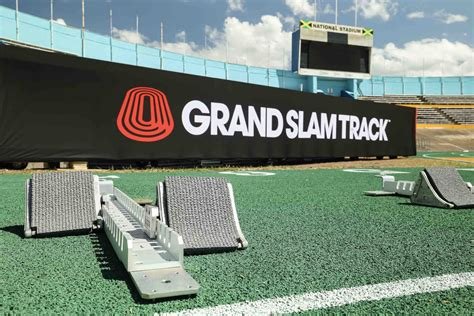
On December 11, 2025, Grand Slam Track formally submitted its Chapter 11 bankruptcy petition in Delaware. Court filings revealed a stark financial picture. The league listed between zero and fifty-thousand dollars in assets and between ten and fifty million dollars in liabilities. Between two hundred and nearly one thousand creditors were identified, spanning athletes, vendors, broadcasters, and governing bodies.
League officials emphasized that GST was seeking reorganization rather than liquidation. The plan includes securing debtor-in-possession financing, reducing operational costs, and restructuring debts in a way that might allow the league to return in 2026 with a more sustainable model.
Even so, many of the outstanding payments to athletes and vendors remain unresolved as the court process unfolds.
What Chapter 11 Means for Stakeholders
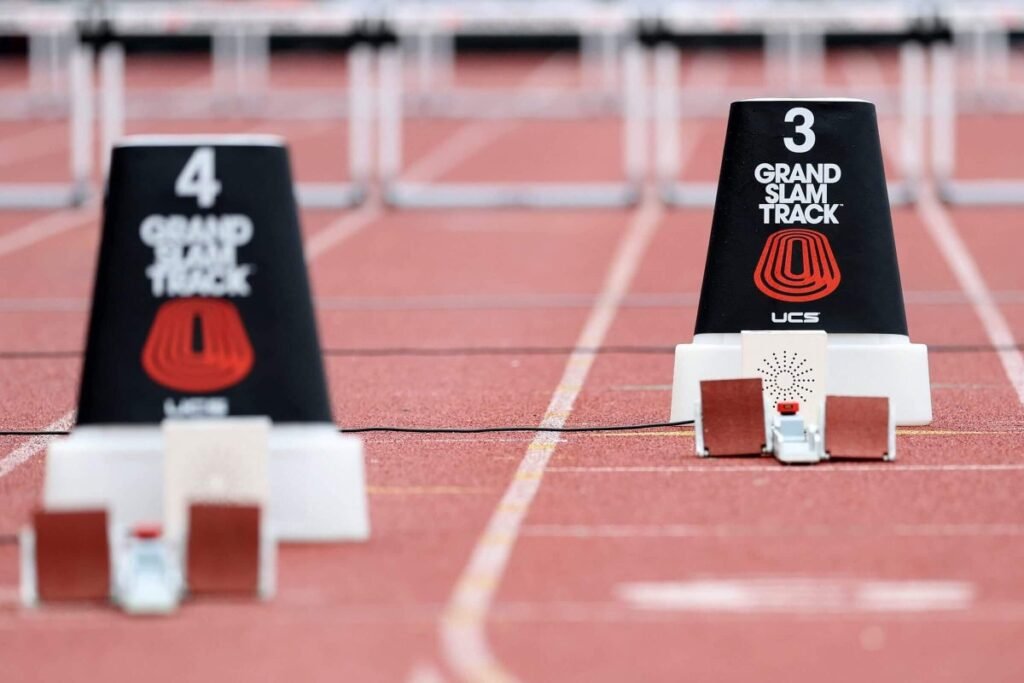
Chapter 11 allows a financially distressed company to continue operating while renegotiating its obligations under court supervision. Once GST filed, an automatic stay froze all collection efforts. This protects the league temporarily from lawsuits and creditor actions.
GST now operates as a debtor in possession, meaning existing leadership retains control but must report to the court. Creditors will have the opportunity to file formal claims, which the court will divide into categories such as secured and unsecured creditors. A reorganization plan will then be proposed, voted on, and reviewed by a judge.
If the plan succeeds, GST could emerge as a reorganized entity. If it fails, outcomes could include a sale of the league or conversion to Chapter 7 liquidation.
Most athletes and vendors are unsecured creditors, meaning they sit behind secured lenders when it comes to repayment priority. How much they ultimately recover remains uncertain.
A Cautionary Tale for the Future of Track and Field

Grand Slam Track entered the sport with significant momentum: the backing of one of the most respected athletes in history, top-tier talent including Sydney McLaughlin-Levrone and Gabby Thomas, strong broadcast partners, and a bold vision for a more modern and lucrative version of track and field.
But the league also exposed deeper vulnerabilities within the sport. Financial overreach, unverified funding commitments, slow fan uptake, and communication missteps all contributed to its collapse. More broadly, GST highlighted the difficulty of transforming a global but under-commercialized sport into a sustainable entertainment product.
Whether GST will eventually return under a reorganized structure remains uncertain. What is clear is that its rise and rapid downfall will influence how future investors, athletes, and governing bodies evaluate new attempts to reimagine professional track and field.
For now, the league that promised to revolutionize the sport stands as a reminder that bold vision must be matched by stable financing, realistic planning, and the ability to execute under pressure.