
The full-length story of Jamaica’s national football warriors — their rise, defining moments, and the high-stakes showdown with Curaçao today
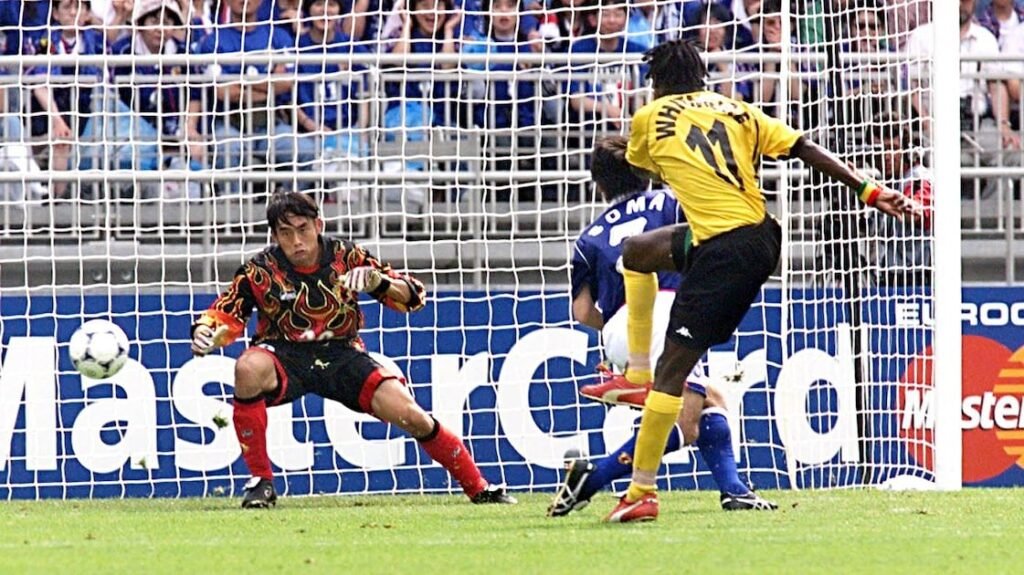
Where It All Started
Football in Jamaica began long before the professional era, long before television cameras, and long before the country’s name echoed across international stadiums. In 1925, the national side played its first recorded match against Haiti. Jamaica won all three games in that series, a promising start for a young football nation trying to find a place in a region dominated by larger and better-funded footballing cultures.
For decades afterward, the sport grew slowly but passionately. Local clubs like Santos, Harbour View, Seba United, and Cavalier became breeding grounds for raw talent. Children played barefoot on dirt fields, older men debated tactics in bars, and schoolboy football became a fiercely followed annual tradition. Yet what the nation had in spirit and natural talent, it lacked in infrastructure. There were no advanced training systems, no high-performance programs, and very few international resources. Jamaica had ambition, but not yet the machinery to match it.
Still, the flame never died. Generation after generation, the island quietly nurtured the rhythm, creativity, and fight that would one day fuel a global breakthrough.
The Transformation Begins
Everything changed in the mid-1990s. The Jamaica Football Federation made a bold and unprecedented move: they hired Brazilian coach René Simões. He arrived with a blueprint, professional expectations, and a belief that Jamaica could compete with the best in the world if discipline matched natural talent.
Simões reshaped the program from the ground up. He lifted fitness standards, improved tactical awareness, strengthened player discipline, and encouraged scouting beyond Jamaica’s borders, especially in England. For the first time, the Reggae Boyz had structure, strategy, and a pathway to international success.
This new era produced iconic players who blended Jamaican flair with tactical maturity. Theodore “Tappa” Whitmore orchestrated the midfield with vision and calm. Ian “Pepe” Goodison provided rock-solid reliability at the back. Ricardo “Bibi” Gardner became one of the brightest young left-sided talents in the region. Surrounding them were disciplined professionals like Paul Hall, Fitzroy Simpson, Daryl Powell, and goalkeeper Warren Barrett, forming a team that no longer hoped for victory — they expected it.
France 1998: A Moment That Changed Everything
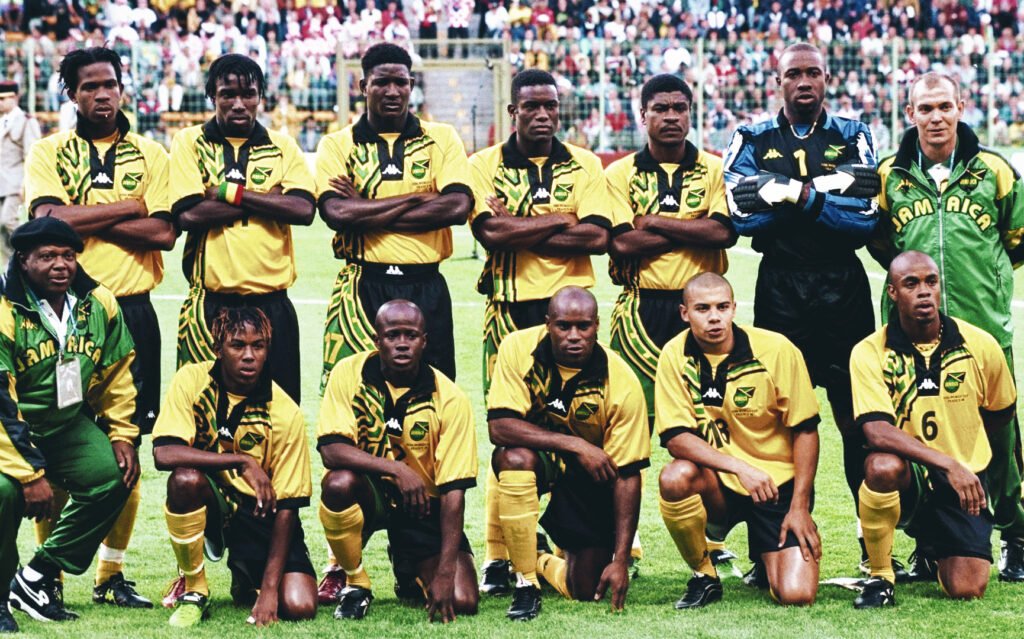
Jamaica’s qualification campaign for the 1998 FIFA World Cup became one of the most emotional and historic sporting journeys in Caribbean history. On November 16, 1997, the National Stadium in Kingston erupted in celebration when Jamaica held Mexico to a 0–0 draw, sealing their place at the World Cup. For the first time, an English-speaking Caribbean nation had reached the biggest stage in football.
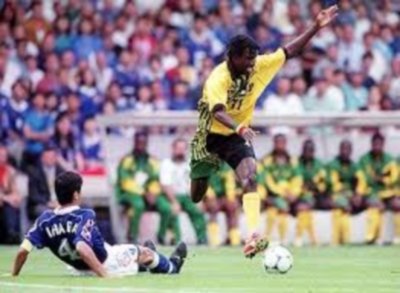
In France, Jamaica was placed in a difficult group with Argentina, Croatia, and Japan. Losses to Argentina and Croatia taught hard lessons, but the team remained united. On June 26, 1998, Jamaica secured its first-ever World Cup victory, defeating Japan 2–1 behind two legendary goals from Tappa Whitmore. That match became the signature moment of Jamaican football — a reminder that even small nations, when carried by passion, can shake the world.
That victory did more than earn three points. It inspired a generation, elevated the status of local football, and permanently etched the Reggae Boyz into football history.
The Long Climb After 1998
But as powerful as that moment was, sustaining success after the World Cup proved difficult. Jamaica returned home as heroes, yet the resources, long-term planning, and administrative stability needed to maintain global competitiveness were still lacking. Throughout the 2000s the team produced talented players — including Luton Shelton, Jamaica’s all-time leading scorer; Ricardo Fuller; Demar Phillips; Wes Morgan; and Adrian Mariappa — but the structure around them remained inconsistent.
World Cup qualifying campaigns fell short. Coaching turnover disrupted continuity. Funding challenges affected development programs. The Boyz continued to dominate the Caribbean, winning multiple regional titles, but the dream of returning to the World Cup slipped further out of reach.
Still, the flame continued to burn.
A Modern Rebuild
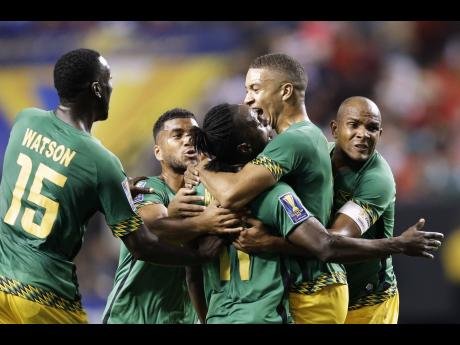
The resurgence began in the 2010s. In 2015, Jamaica stunned the region by defeating the United States in the Gold Cup semifinal to reach their first-ever final. Two years later, they reached the final again. These achievements signaled a shift: Jamaica was no longer a team that merely threatened big nations — they were beating them.
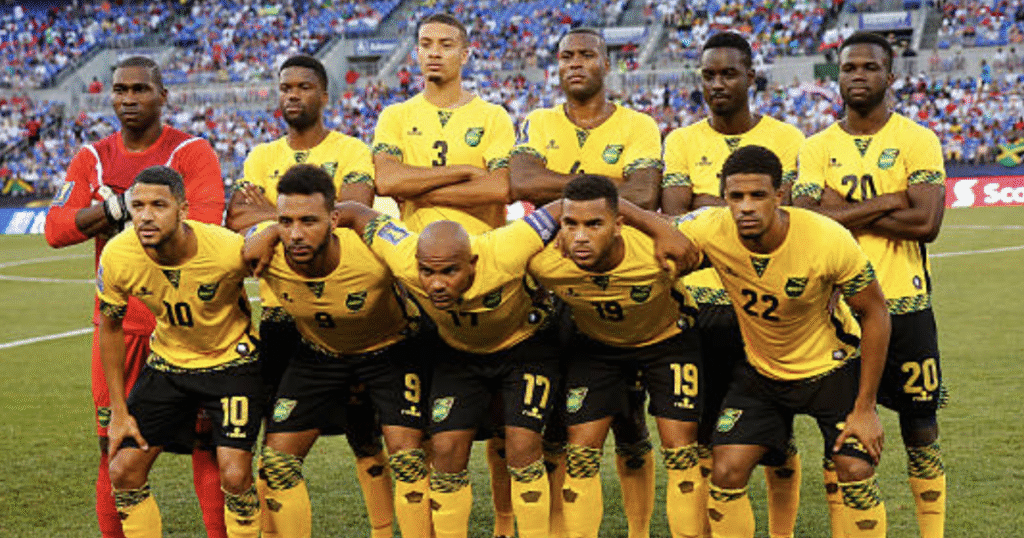
By the early 2020s the squad had morphed into one of Jamaica’s most talented groups since 1998. Many players competed in elite leagues around the world. Leon Bailey brought explosive pace and creativity. Ethan Pinnock, hardened in the Premier League, strengthened the defense. Michail Antonio added physicality and experience up front. Shamar Nicholson emerged as a consistent scoring threat. Rising star Dujuan “Whisper” Richards captured the imagination of young fans with his fearlessness.
This new era blended professionalism, exposure, and Jamaican fighting spirit — and suddenly, the idea of qualifying for the 2026 World Cup felt realistic, not hopeful.
Why This Moment Matters
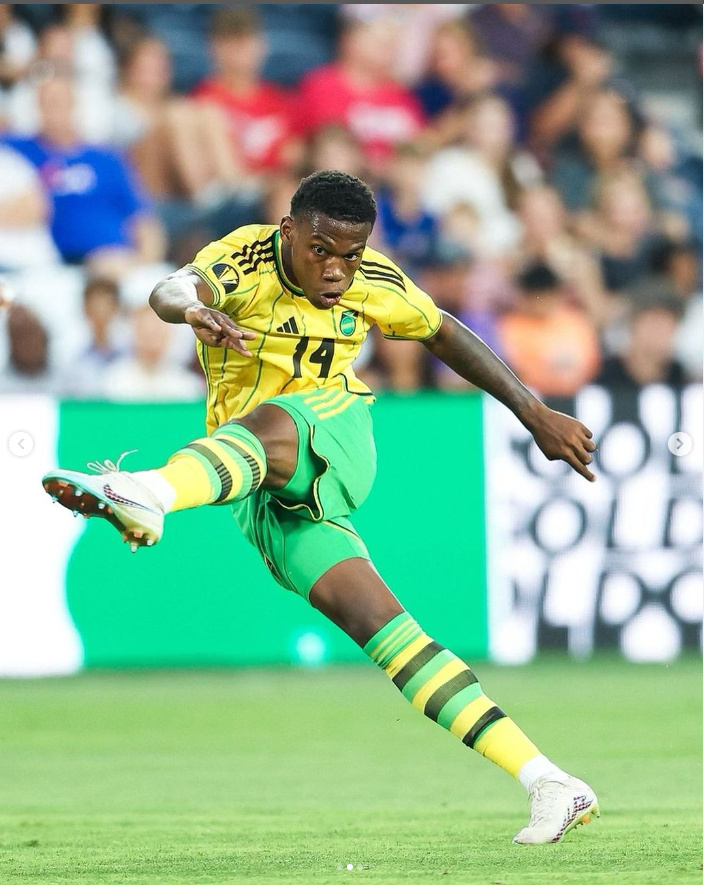
The 2026 FIFA World Cup offers more qualifying spots for CONCACAF teams than ever before. But competition has also grown fiercer. Nations like Canada, Panama, and Costa Rica have stepped up. Smaller teams such as Curaçao have become disciplined, technical, and resilient.
Jamaica is no longer trying to join world football. Jamaica is trying to return to it — and that pressure is heavy. Fans expect qualification. Players feel the weight of history. The challenge ahead is not simply athletic; it is psychological.
Today’s Match vs Curaçao: A Defining Chapter
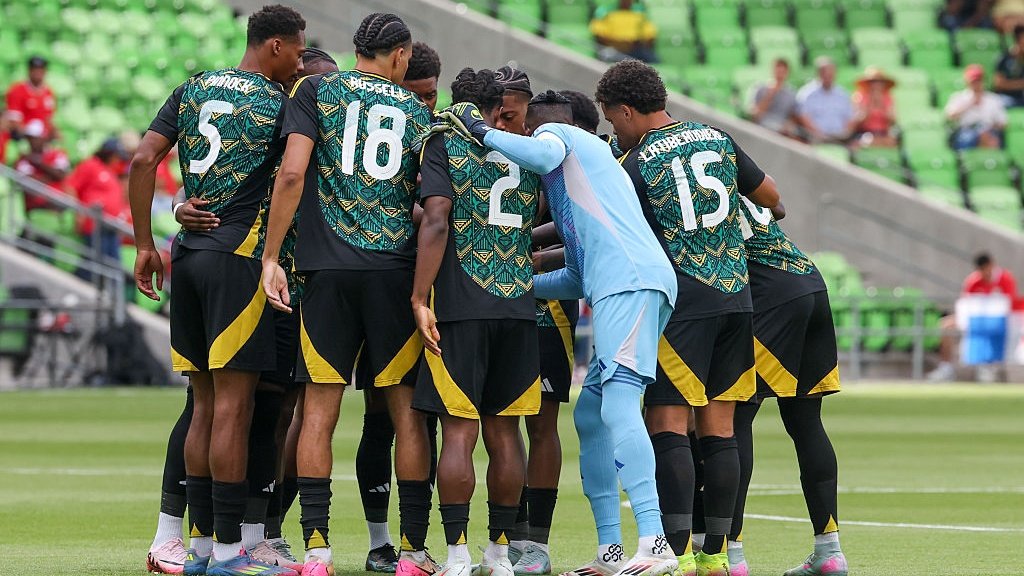
And this brings us to today’s match: Jamaica vs Curaçao at the National Stadium in Kingston.
This is not an ordinary fixture.
This is not simply another group game.
This match could determine whether Jamaica qualifies directly for the World Cup.
Earlier in the campaign, Curaçao defeated Jamaica 2–0 at home — a performance that exposed weaknesses in Jamaica’s defensive shape and transition play. Curaçao’s disciplined structure, quick passing, and composure made them difficult to break down, and they capitalized on key moments. That loss placed Jamaica under immediate pressure.
Today’s rematch is a chance not only for redemption, but for survival.
Key Tactical Battles to Watch
1. Jamaica’s defensive organization. Curaçao thrives on transition and quick combinations. Pinnock and the back line must maintain discipline and avoid the gaps that cost them in the first fixture.
2. Breaking a disciplined defense. Curaçao defends in compact lines, forcing opponents to move the ball quickly and intelligently. Jamaica’s attackers — Bailey, Nicholson, Richards — must combine with precision, not just pace.
3. Set pieces. Curaçao scored from a dead-ball situation previously. Jamaica must defend sharply and capitalize on their own opportunities.
4. Midfield control. If Jamaica fails to dictate tempo, Curaçao will slow the game, frustrate the home team, and wait for openings. Whoever controls the midfield controls the match.
What’s at Stake
A win puts Jamaica in a powerful position and gives them momentum heading into the final rounds.
A draw complicates the journey.
A loss shifts the campaign into dangerous territory.
For Curaçao, a draw could be enough to edge closer to their first-ever World Cup appearance. That means Jamaica must push — but they cannot push recklessly.
This is the kind of match where legends emerge or narratives crumble.
What This Means for Jamaica’s Legacy
If Jamaica wins today and ultimately qualifies, the story becomes one of revival and fulfillment — the return of a nation that once shocked the world and is ready to do it again. The flame that was lit in 1998 would burn brighter than ever.
And if Jamaica falters, the questions will grow louder. What must change? What must evolve? What must be rebuilt again?
Either way, today is not just a match.
It is a crossroads.
It is the moment where the past meets the present, and the future demands a decision.
Jamaica’s football journey has always been about more than goals and trophies. It is about identity, pride, and belonging. From dusty community fields to the world stage, the Reggae Boyz have carried the heart of a nation on their shoulders.
Today, as they line up against Curaçao, one truth remains:
Jamaica does not wait for history. Jamaica makes it.