
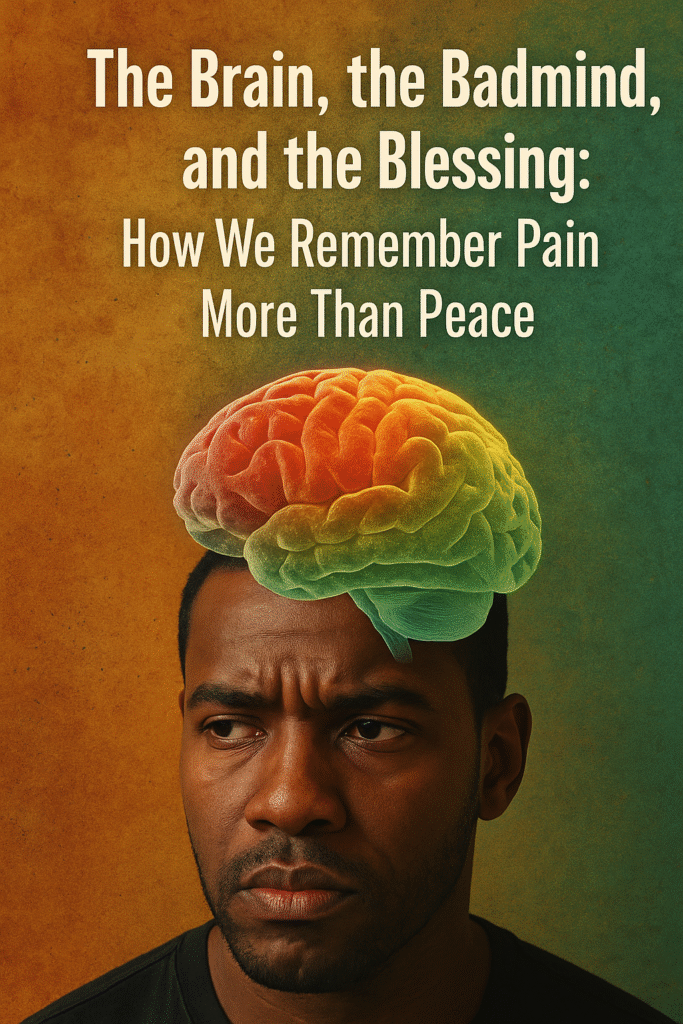
Do we ever notice how quick we are to get passionate about negativity and how easy it is to mirror bad behaviour? And mi nah talk ’bout crime now, mi mean everyday tings: simple kindness, basic respect, a general uplifting attitude. Plenty of us more likely to screw up wi face than offer a simple smile.
Scroll through TikTok and you’ll see it. Jamaicans aren’t just known for the jokes and creativity anymore, but for the cussing, the clapbacks, the “mi ago style yuh” energy. We laugh, yes, but after the laughter fades, it says something about how we process life. We give more space to negativity in thought, in talk, in culture.
Look ’round society and you’ll feel it. We cut people off instead of working toward healing and resolution. We shut people down instead of letting them express themselves. We shame differences instead of learning from them. And even though we’re one of the most joyful, expressive, and spirited peoples on Earth, are we truly a nation that promotes healing, introspection, and mindfulness about how our words and actions affect others?
You ever talk to somebody who can list every bad thing ever done or said to them but stay quiet ’bout all the good? Yuh think a just people being dramatic? No sah. There’s actually real science behind that, and we nah talk ’bout guzu.
Let’s get into what research says about why the mind remembers insults far more than praise — Jamaican style.
The Science of Negativity: Why Bad Sticks
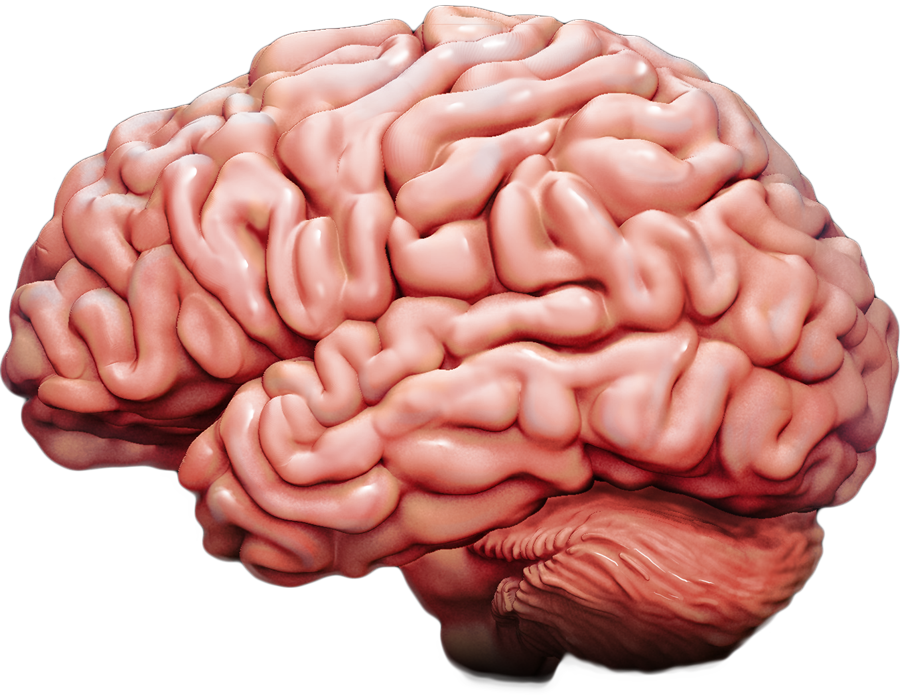
Psychologists call it negativity bias — our brain’s natural tendency to focus more on negative information than positive. It’s an ancient survival mechanism. Thousands of years ago, humans needed to remember threats more than rewards. Forgetting where the tiger hide could kill you; forgetting where you find mangoes just mean you hungry for a day.
That same wiring still runs modern life. The brain treats emotional pain like physical pain. When someone embarrasses you, criticises you, or disrespects you, it lights up the same regions that activate when you get burnt or cut — the amygdala, which handles fear and emotion, and the hippocampus, which stores memory. Those two chat and decide, “Keep this one. Important fi survival.”
That’s why a random insult from 10 years ago can flash back in perfect detail — the words, the tone, even the smell of the place — while kind compliments fade fast.
A 2009 review by psychologist Larsen found that negative emotions last longer and take more space in the brain than positive ones. Another study in Psychological Science showed that people remember bad experiences with greater detail than good ones because the brain literally encodes them more strongly. Researchers at UC Davis even found that “negative feedback stabilises memory circuits,” meaning the brain treats bad news like a high-priority file.
So when you remember that teacher who shame yuh in school but forget the praise you got for good work, it’s not just attitude. It’s biology.
But There’s a Twist: The Pain Fades If You Let It
Here’s the irony. Another body of research shows something called fading affect bias. Over time, the emotional sting of negative memories fades faster than the joy of positive ones — if we don’t keep feeding the bad memories.
If you keep replaying the insult, retelling the betrayal, scrolling through old grudges, you’re doing exactly what the brain loves: reinforcing that neural pathway. You’re strengthening the file you claim to want to delete. Every retelling is like hitting “save” again.
And that’s where culture comes in. Jamaica is a storytelling people. We talk, we share, we vent, we laugh, but sometimes, we also rehearse pain instead of releasing it. We “style back” to show we’re strong, not realising we’re keeping that memory alive.
So yes, insults might live long in the mind, but not because they have to. It’s because we keep breathing life into them.
Jamaican Culture and the Negativity Bias
Jamaicans have always had a unique way of turning pain into art. From the cane fields to dancehall, we’ve used words to express hurt, survival, and defiance. But if we listen closely, many of our most powerful songs are not just about suffering — they’re about healing.
Think of Bob Marley’s “No Woman, No Cry.” “Everything’s gonna be alright.” That’s positivity retraining the brain. Or Buju Banton’s “It’s Not an Easy Road,” which recognises pain but still pushes resilience.
But in modern spaces, especially online, we sometimes lose that balance. We amplify the cuss more than the comfort. We celebrate shade more than strength.
We’re quick to “cut off” instead of “talk through.”
Quick to “expose” instead of “explain.”
Quick to “cancel” instead of “counsel.”
It’s the same brain bias, just playing out in digital patois.
And yet, we are a people known for joy, for laughter, for creativity. So how do those two coexist? Easy. Joy is an expression, but healing is a practice. Joy bursts out naturally; healing takes intention.
When Words Wound Like Weapons
We often say, “Sticks and stones may break my bones, but words will never hurt me.” That is one of the biggest lies ever told. Science proves words can hurt — not just emotionally, but physically.
A study using brain imaging showed that social rejection or verbal insult activates the same pain centres in the brain as physical injury. When someone speaks down to you, your brain reacts like it’s been hit.
That’s why we remember who disrespected us in public, why shame burns hotter than pride, and why apologies sometimes never feel enough. The memory lives not just in the mind, but in the body.
And yet, a kind word can start healing those same circuits. Compliments, gratitude, affirmation — when sincerely given and received — release dopamine and serotonin, chemicals that strengthen new, positive pathways.
It’s not “soft” to speak gently. It’s science-backed healing.
Why We Forget Praise So Quickly
Now, about that 30-day idea. There’s no exact timeline in research, but there’s truth in the feeling. Compliments often fade because:
- We under-practice giving praise.
In our culture, correction is instant, praise is optional. We scold louder than we celebrate. - Praise is vague.
“Good job” doesn’t stick. “You handled that customer with patience and professionalism” does. - We mistrust compliments.
Many Jamaicans grow up with suspicion — “Dem just a talk,” “Wha dem want?” So the brain doesn’t even file the compliment properly. - We reinforce the negative.
Every time we think “mi too fool fi dat” or “dem never rate mi,” we’re practising the bad script instead of the good one.
Psychologists note that we can retrain this bias by intentionally revisiting positive moments — talking about what went well, keeping gratitude journals, and verbalising appreciation out loud.
You could say, “Big up di good ting same way yuh big up di bad.” It’s neuroscience, but it sounds like Jamaican wisdom.
Healing the Bias: What Jamaica Can Teach the World
While Western science only recently began studying emotional memory, Jamaica has always had tools to heal it — through music, spirituality, and community.
Music:
Reggae, mento, dancehall — our songs retell pain but transform it. They allow the body to feel and release. Studies show that listening to music while recalling memories can literally change how those memories feel in the brain. So every time we sing “One Love” or “Keep the Faith,” we’re reshaping how our mind holds pain.
Prayer and meditation:
The Rastafari reasoning, the church testimony, the quiet talk with God — these are our native forms of reflection. Modern psychologists call it cognitive reappraisal: changing how we interpret a memory. We’ve been doing it long before the textbooks named it.
Community:
The old-time Jamaican village raised children not by perfection but by compassion. Today, with social media isolation and quick judgement, we’ve lost some of that. Reclaiming it might just be our cultural antidote to negativity bias.
So What Now?
The viral quote “The brain remembers insults for 20 years and praise for 30 days” is not literally true. But the sentiment hits home.
We do hold on to hurt longer than we should.
We do replay shame louder than praise.
And as a people who have endured so much and yet shine so bright, maybe it’s time we give the same attention to healing that we give to humour and hurt.
Next time you’re tempted to style somebody, pause. Words echo longer than you think. And next time someone compliments you, don’t brush it off. Sit in it. Let your brain learn that goodness deserves to stay too.
Because maybe the real power isn’t just in remembering what wounded us, but in training our minds to remember what warmed us.
As Buju once said,
“It’s not an easy road… many see the glamour and the glitter and think a bed of rose.”
True. But that’s all the more reason to choose softness, to value good, and to rewrite the brain’s script.
Final Word
We Jamaicans are passionate, expressive, fiery — and that’s beautiful. But we also have the power to be mindful, reflective, and healing.
Science says negativity sticks faster. Culture says kindness changes everything. Jamaica says balance it.
Let’s become the people who don’t just remember the pain, but remember the praise, the laughter, the upliftment, the grace.
Let’s teach our brains — and our nation — that healing is strength, and that words, when used with love, can build a brighter memory for all of us.
“One one coco full basket.”
Small acts of kindness, one by one, can fill the nation’s heart again.